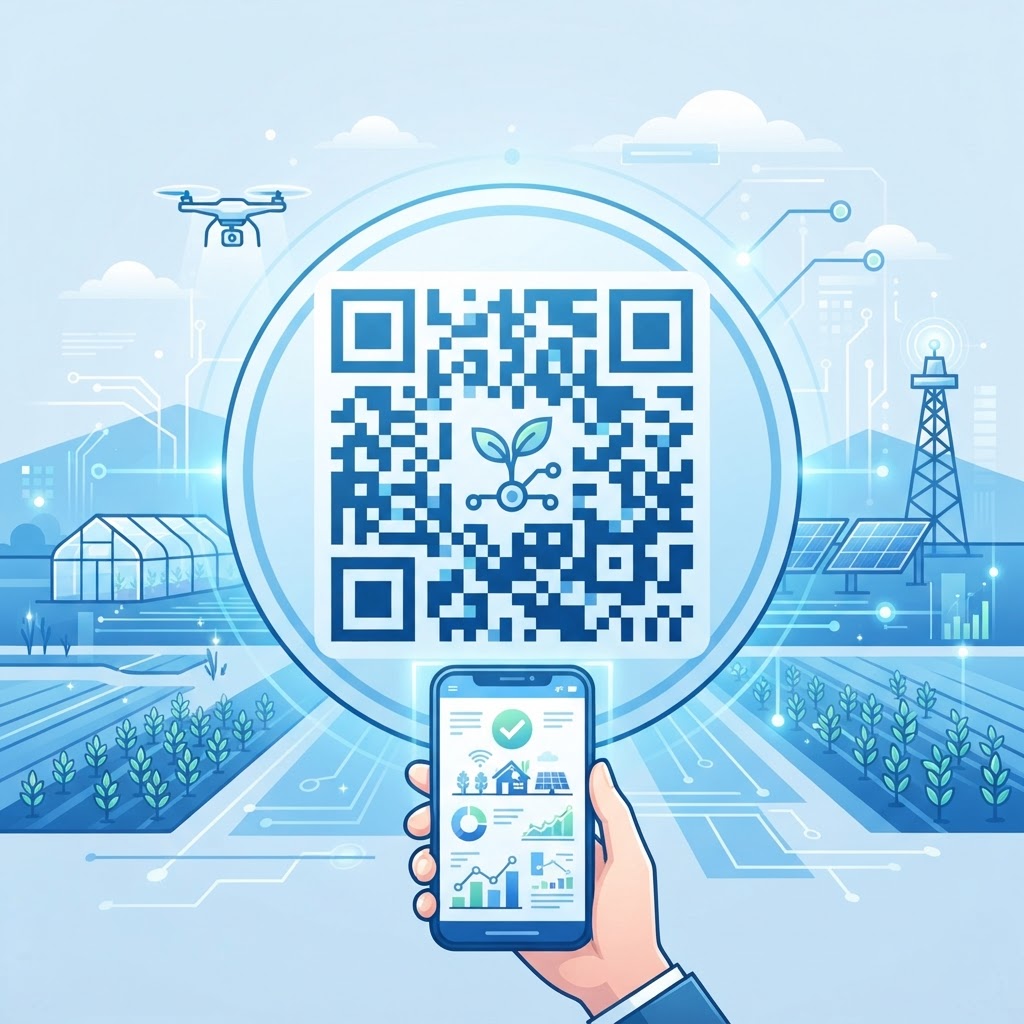
What is QR Code for Agriculture and Why It Matters in 2026
Agriculture is undergoing one of the most significant digital transformations, and QR codes are at the center of this change. A QR code for agriculture is a scannable two-dimensional barcode that links farmers, distributors, retailers, and consumers to critical information about crops, livestock, equipment, chemicals, and supply chains.
In 2026, as global food systems face mounting pressure from climate change, supply chain disruptions, and growing consumer demand for transparency, QR codes have emerged as an indispensable tool for operations of every scale. They enable rapid access to provenance and operational data that supports traceability and trust.
The agricultural sector has historically lagged in digital adoption due to concerns about cost, connectivity, and complexity. QR codes address those barriers: they are free to generate, readable with any smartphone camera, and require no special technical expertise.
Farmers can place a QR code on a product label, a field marker, a piece of equipment, or a livestock tag, instantly connecting that physical object to a digital ecosystem of information. This bridges the gap between physical farming operations and data-driven agribusiness processes.
Why This Topic Matters
QR codes enable farm-to-table traceability, safety documentation, equipment maintenance tracking, and livestock health records without high costs or complex infrastructure. They support compliance and consumer transparency at scale.
Regulatory frameworks in major markets and the rise of blockchain-based traceability systems are increasing demand for digital traceability solutions. Whether for a small organic grower or a large cooperative, QR codes are fast becoming essential tools.
Key Points
- QR codes are free to generate and readable with any smartphone camera
- They enable product traceability, chemical safety links, livestock records, and equipment manuals
- Trends in 2026—expanded mobile coverage, blockchain traceability, and consumer demand—drive adoption
- Regulatory requirements are increasing the need for digital traceability
Step-by-Step: How to Create a QR Code for Agriculture on blueqrcode.com
Creating a professional QR code for your agricultural operation is simpler than you might expect. Follow these steps to create a QR code that suits your use case.
The free QR code generator at blueqrcode.com supports 13 different QR code types, requires no account, adds no watermarks, and never expires — making it ideal for farmers and agribusinesses who need reliable, permanent QR codes without ongoing costs.
- Step 1: Identify your agricultural use case — product traceability for labels, chemical safety codes for pesticide containers, livestock health record codes for ear tags, WiFi codes for farm offices, or equipment maintenance logs accessible via vCard or URL.
- Step 2: Visit blueqrcode.com and select your QR code type — choose URL for versatile web links, vCard for contact details, WiFi for agritourism or visitors, Google Review to encourage reviews, or PDF for linking manuals and safety data sheets.
Best Practices
Follow these practical guidelines to ensure your QR codes are useful, durable, and compliant with traceability needs. Keep content linked to the code up to date and accessible.
- Place QR codes on product labels, field markers, equipment, and livestock tags for direct access to information
- Choose the correct QR code type (URL, vCard, PDF, WiFi) based on the intended use
- Link QR codes to detailed resources like safety data sheets, service manuals, and provenance pages
- Use QR codes to support farm-to-table traceability and consumer transparency
Common Mistakes to Avoid
Be mindful of pitfalls that reduce the effectiveness of QR codes in agricultural settings. Simple oversights can frustrate users and undermine traceability efforts.
- Choosing the wrong QR type and creating a poor user experience — select the type that matches the content you intend to deliver
- Linking to incomplete or inaccessible information — ensure PDFs and webpages are readable and hosted reliably
- Assuming universal connectivity without testing — verify that content loads in typical field or rural conditions
- Ignoring regulatory traceability requirements — align QR content with applicable compliance standards
Conclusion
QR codes offer an affordable, accessible way to add digital traceability and operational data to agricultural products and assets. In 2026, they are a practical, scalable tool for meeting consumer expectations and regulatory demands.