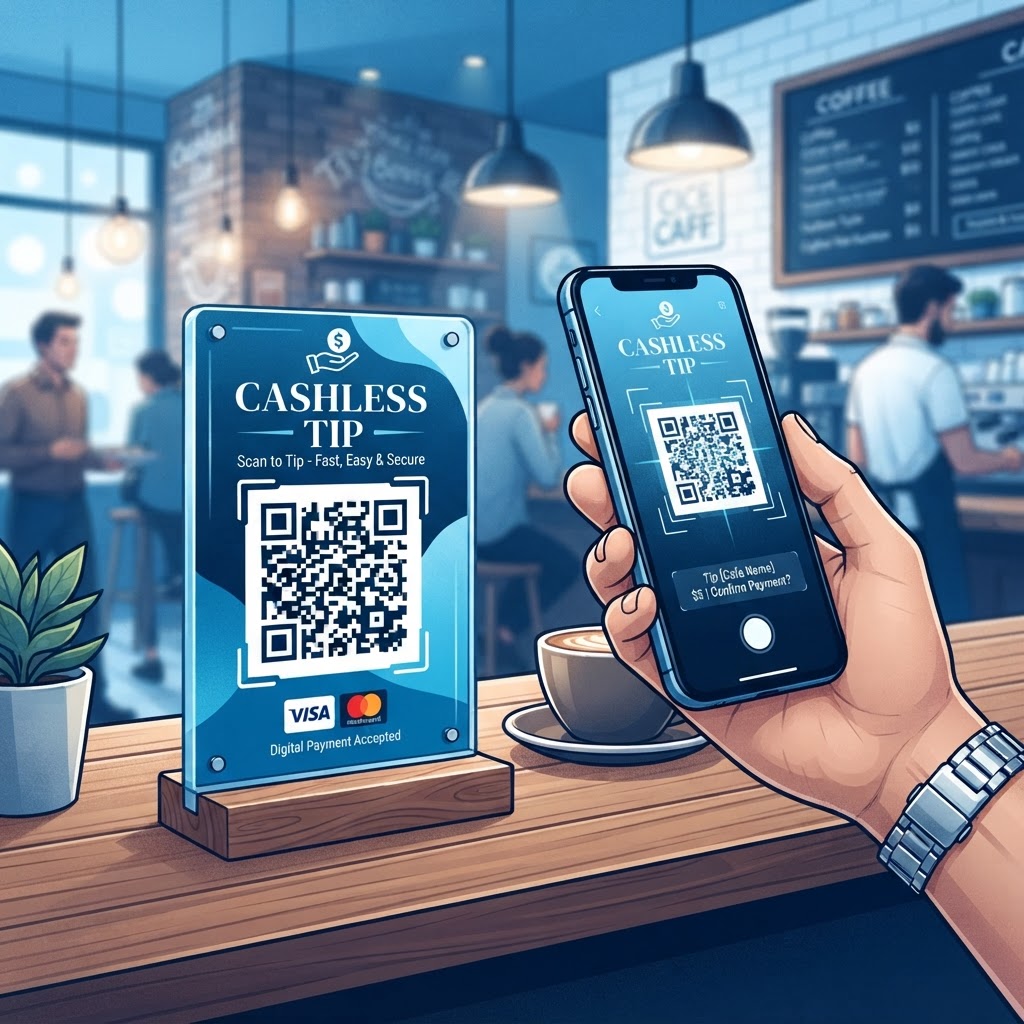
Why Implementing a Cashless Tipping System Matters in 2026
In 2026, the shift toward a cashless society is no longer a trend but an established standard for consumer behavior. Many businesses across the hospitality, personal care, and service sectors are discovering that customers frequently visit their establishments without carrying physical cash.
This shift creates a significant hurdle for staff who rely on gratuities as a substantial portion of their income. Without a robust mechanism to facilitate digital tipping, businesses are essentially allowing potential income to slip through the cracks, creating a disparity between the quality of service provided and the compensation received by the workforce.
When customers are empowered to tip via their smartphones, the likelihood of gratuity increases, as it removes the inconvenience of searching for an ATM or breaking larger bills. Furthermore, the psychological barrier of physical cash is replaced by the ease of a quick scan and a few taps on a touchscreen.
Because most smartphones are equipped with native QR scanning capabilities in their camera apps, the process is incredibly intuitive for the end-user. This frictionless experience is vital in high-volume environments where time is a luxury.
Beyond convenience, digital tipping provides a layer of transparency and safety. Staff members no longer need to worry about the security risks associated with holding large amounts of cash during a shift, and managers can enjoy streamlined reporting processes that minimize the administrative burden of manual tip distribution.
By integrating these systems, businesses signal that they are forward-thinking and committed to the modern needs of both their staff and their clientele. Ultimately, a well-implemented QR code strategy serves as a bridge that modernizes traditional service interactions, ensuring that customer appreciation is captured efficiently and consistently in a way that aligns with contemporary digital habits and preferences.
Key Points
- A qr code for cashless tip gives customers a convenient way to leave gratuities without carrying cash.
- Digital tipping can reduce cash-handling concerns for staff and streamline reporting for managers.
- A smooth, mobile-friendly process helps customers complete a tip quickly.
How the Technical Workflow for Cashless Tipping Operates
Understanding the technical framework behind a QR code for cashless tipping is essential for any business owner looking to optimize their workflow. At its core, the QR code functions as a visual bridge that links a physical location to a specific digital destination, such as a payment portal or a tipping-specific URL.
When a customer scans the code, their smartphone's browser is immediately directed to the designated URL. This link is generated using tools like those found at blueqrcode.com, which facilitate the conversion of a web address into a machine-readable graphic.
The destination URL typically points to a secure payment gateway where the customer can select a tip amount or enter a custom value using stored credit card information or digital wallets like Apple Pay or Google Pay. The technical robustness of this system relies on the speed and reliability of the mobile connection.
Since most smartphones have high-speed data capabilities, the redirection process occurs in milliseconds, ensuring that the customer is not deterred by long load times. The backend of the payment platform handles the sensitive transaction data, utilizing industry-standard encryption protocols to help protect the customer’s payment information and the business's internal accounts.
The QR code itself is essentially a static or dynamic container for this redirection instruction. Choosing a dynamic code allows businesses to update the destination URL without needing to reprint the physical marketing materials, providing long-term flexibility.
This technical agility allows for rapid adjustments if payment providers change or if a new tipping campaign is launched. By decoupling the physical QR code from the digital destination through dynamic linking, businesses maintain control over the user experience while minimizing physical waste and long-term maintenance costs associated with constant reprinting of signage.
Try it now: Generate a free Qr Code For Cashless Tip →
A Step-by-Step Guide to Creating Codes via BlueQRCode.com
Creating your tipping solution is a streamlined process when using professional tools. First, determine your destination: it could be a static profile page on a payment processing site, a direct link to a team-specific tip jar, or a custom landing page that allows customers to select the specific employee they wish to tip.
- Step 1: Choose your destination URL and navigate to blueqrcode.com. Select the URL-based generator tool and paste your destination link into the input field.
- Step 2: Customize the generated code by choosing foreground colors or adding a frame so it stands out against your printed marketing materials.
- Step 3: Test the code using a variety of devices, from older budget smartphones to the latest flagship models, and check that it scans correctly under different lighting conditions.
- Step 4: Download the code in a high-resolution format, such as PNG or SVG, to maintain clarity when scaled for different print media.
- Step 5: Integrate the graphic into your signage software or print designs, and make sure the destination page is mobile-responsive and easy to navigate.
For tabletop displays, a smaller size is often appropriate, while larger signs for checkout counters might require higher-resolution files. By testing thoroughly and verifying that the page loads smoothly, you help make the tipping process easy for patrons.
Best Practices for Deployment and Physical Placement
The success of your cashless tipping program depends heavily on where and how you present the QR code to your customers. Place it in high-traffic, high-visibility areas where customers naturally spend time waiting or finalizing their transactions.
- For restaurants, place a small, aesthetically pleasing card at the table or inside the bill presenter.
- In salons or retail settings, place a clear sign near the point-of-sale terminal or the station where the service is performed.
- Make the invitation to tip subtle yet unmissable, avoiding an aggressive or overly demanding presentation.
Regarding technical design, size matters. The code must be large enough to be easily scanned from a distance of at least one to two feet, typically requiring a minimum size of one inch by one inch, though larger is often better.
- Print on a matte finish rather than a glossy one to help prevent glare from overhead lighting.
- Use high contrast, such as black modules on a white background, to support scanability.
- Avoid intricate design elements that obscure the code's pattern or corners.
- Include a brief, clear call to action (CTA), such as "Scan to Tip Your Server."
- Use a consistent design language across tipping stations so repeat customers recognize the process.
100% Free — No signup required. Create your Qr Code For Cashless Tip in seconds: Create Free QR Code →
Common Mistakes to Avoid in Your Tipping Strategy
Avoiding common pitfalls is just as important as implementation. A frequent error is failing to provide a mobile-optimized landing page. If a customer scans the code and sees a desktop-formatted website that requires pinching and zooming, they may abandon the process before finishing the tip.
- Sending customers to a page that does not render well on small screens can interrupt the tipping process.
- Overcomplicating payment with required account creation, logins, or extensive forms can make customers less likely to complete a transaction.
- Using ambiguous instructions about whether tips go directly to staff or into a pool can undermine customer trust.
- Failing to check links after changes to service providers or business structure can leave the code pointing to an inactive or incorrect page.
- Placing codes where they are frequently touched or exposed to moisture can damage them and make them unreadable.
Keep the number of steps between the initial scan and payment confirmation to a minimum. A guest checkout or digital wallet option is preferred by many users.
Use protective lamination or high-quality signage materials to help your codes last longer. By anticipating these issues and managing signage proactively, you can avoid frustrated customers and missed revenue opportunities.
Concrete Use Cases by Industry and Sector
The utility of a QR code for cashless tipping spans a wide range of industries, each with unique operational needs. In restaurants and hospitality, codes placed in bill presenters allow diners to pay and tip privately at their own pace, without waiting for a server to process a card reader.
In personal care and beauty businesses, such as hair salons or spas, a QR code at the service station lets clients tip the individual who performed their service. This can reinforce the personal connection formed during a long appointment and support customer loyalty.
Delivery drivers, valet services, and ride-share contractors can benefit from QR codes printed on a vehicle or on a small card provided to the customer. For instance, a valet attendant can show a card with a code, allowing a customer to tip for the service even if they are lacking loose change.
In boutique retail and coffee shops, a code at the point-of-sale display allows customers to tip baristas or counter staff for their assistance. In all these cases, the primary benefit is reducing friction by removing the barrier of physical currency.
These businesses create an environment where appreciation can be expressed instantaneously. This can increase the volume of tips and improve the perception of the establishment as modern and user-friendly, catering to a digitally savvy generation that values efficiency and convenience.
Summary and Next Steps for Your Business
In summary, the transition toward a cashless tipping model is a practical step for service-focused businesses in 2026. By utilizing tools like those available at blueqrcode.com, you can create a simple, professional bridge between customers and staff.
Generate a dynamic URL-based QR code, ensure your payment landing page is seamless, and place signage where it is visible and convenient. As more consumers adopt mobile wallets and digital payment methods, providing this option can become a standard expectation.
Evaluate your current tipping workflow and identify the touchpoints where customers most often look for ways to express appreciation. Create a prototype, test it across devices, and launch a pilot in a controlled area of your business.
Gather feedback from staff about whether the process feels helpful and from customers about the ease of the interface. Use these insights to refine the landing page, adjust code placement, or provide clearer guidance to patrons.
By actively managing your digital tipping presence, you can align your business with modern payment trends while supporting the financial well-being of your team. Your QR code is ready in under 30 seconds: Generate Free QR Code →