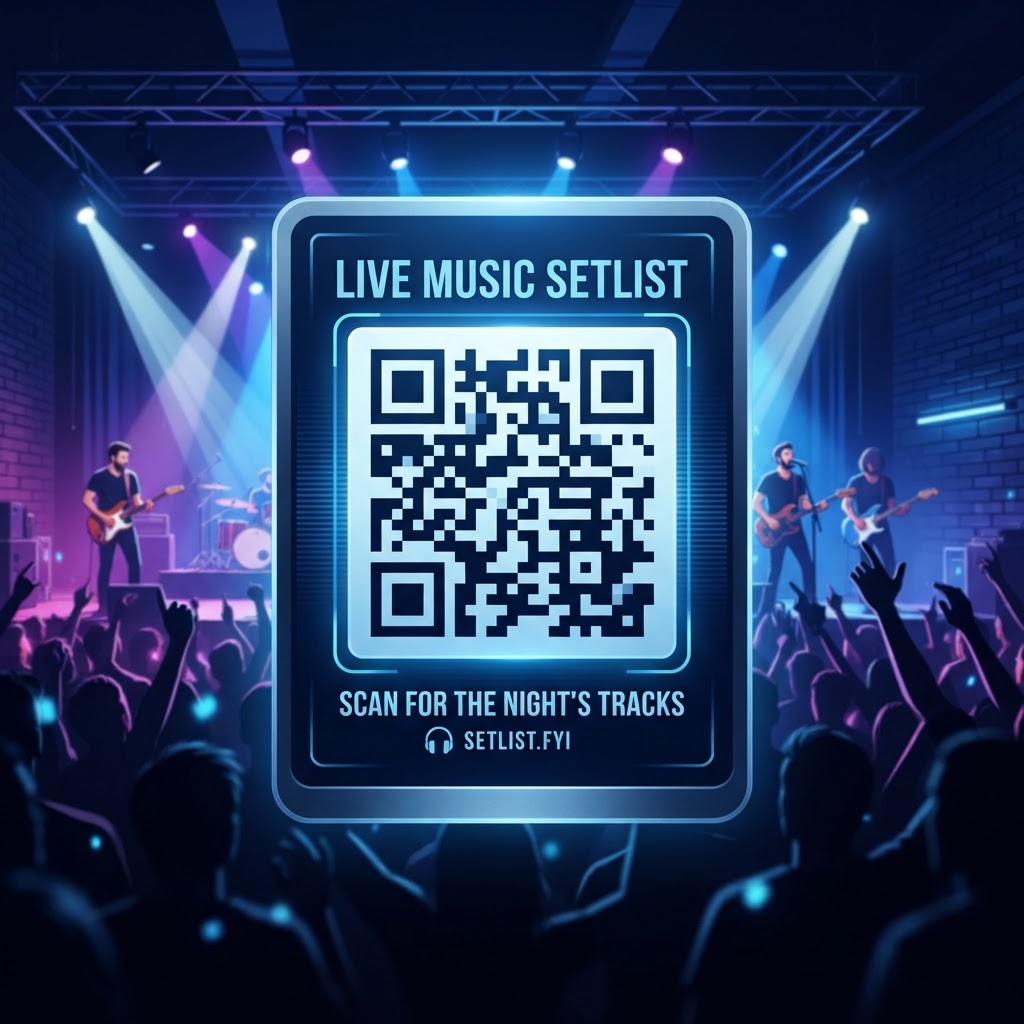
Why Integrating a QR Code for a Concert Setlist Matters in 2026
The modern live concert environment has evolved significantly, shifting toward a high-tech, integrated ecosystem where audience engagement is a top priority. In 2026, the traditional printed setlist taped to a monitor or stage floor is increasingly becoming a relic of the past, replaced by sophisticated digital distribution methods. By providing a QR code that leads directly to a digital setlist, artists can offer a more immersive experience for their fanbase. Fans attending a show often feel an urgent desire to document the songs played, especially during surprise segments or acoustic encores. If they have to search for this information, the emotional momentum of the live performance can dissipate. When a performer displays a QR code at the merch booth, on stage monitors, or via a digital screen, they capture the audience's attention at the height of their excitement.
Furthermore, the logistical benefits for road crews and stage managers are immense. Changes to a setlist frequently occur minutes before the show begins due to time constraints, local ordinances, or technical issues. Updating a physical setlist requires reprints and manual labor. Conversely, a digital link tied to a QR code allows for instantaneous updates from a mobile device, ensuring that the information the fan scans is always accurate. This dynamic nature is why many businesses in the music industry have adopted these tools. By using a platform like blueqrcode.com, organizers can maintain a single, static QR code that links to a URL that they update remotely. This efficiency ensures that the fan experience remains flawless, regardless of last-minute pivots. Additionally, this method provides valuable analytics regarding how many fans engaged with the setlist, offering data-driven insights into which tracks resonate most with live crowds, ultimately helping artists craft better future touring performances while maintaining environmental sustainability by eliminating the need for single-use paper printouts.
How QR Code Technology Works for Live Performance Logistics
At its core, a QR code for a concert setlist operates as a high-speed bridge between a physical location—the concert stage or venue—and a digital destination, typically a URL. When a smartphone camera scans the matrix of black and white squares, the built-in operating system software interprets the visual data, converts it into a uniform resource locator, and automatically triggers the device’s default web browser. For this to work effectively in a live concert environment, the underlying technology must be robust. Most smartphones are equipped with advanced QR scanning capabilities that can focus on and decode images from varying distances, even in low-light environments like a dark arena. This technical reliability is what allows for the seamless transition from the analog sight of a concert to the digital consumption of information.
The process relies on a static or dynamic URL structure. A static URL is hardcoded into the QR code; if the link breaks or the setlist changes, the QR code becomes useless. This is why many professionals opt for dynamic QR codes generated through tools like blueqrcode.com. These codes direct the user to a redirecting link that can be updated on the backend without changing the actual graphic printed on posters or screens. This technical architecture is vital for the chaotic nature of touring. Behind the scenes, the process involves hosting the setlist on a mobile-responsive landing page or a cloud-based document platform. Because the majority of internet traffic occurs on mobile devices, ensuring the linked page is optimized for vertical screens and low-bandwidth areas—such as a crowded stadium with spotty cellular reception—is a critical technical consideration. By prioritizing high-speed, lightweight web pages, artists ensure that the QR code remains a functional utility rather than a frustrating roadblock for their audience.
Try it now: Generate a free Qr Code For Concert Setlist →
Step-by-Step Guide to Generating Your Setlist QR Code
Creating a high-quality QR code for a concert setlist is a straightforward process when utilizing the resources at blueqrcode.com. The first step involves preparing the content. Whether you have your setlist in a PDF, a Google Doc, or a dedicated band website, ensure the link is public and easily accessible. Once you have your URL, navigate to blueqrcode.com and select the URL-QR generation feature. This tool is designed to handle long, complex web addresses, shortening them into a clean, compact code that is easier for mobile cameras to scan quickly. Simply paste your link into the input field provided by the generator tool.
After entering your URL, you will be presented with customization options. While a standard black-and-white QR code is highly readable, you may choose to adjust the design to match the visual aesthetic of the tour's branding. You can modify the foreground color or add a frame to encourage users to scan the code. After selecting your preferred design, verify the code works by scanning it with a few different mobile devices to ensure the link redirects properly. Once confirmed, download the high-resolution image file. It is recommended to use formats like SVG or PNG to ensure the code remains crisp when printed on large-scale signage, such as backdrop banners or merch booth flyers. The final step is testing in the actual environment where the code will be used. If it is intended for a stage screen, display it on the monitor under the venue's lighting conditions to confirm that the contrast is high enough for phone sensors. This methodical approach ensures that your fans encounter a professional, reliable tool every time.
Best Practices for Deployment: Size, Placement, and Format
The success of your setlist QR code in a live environment depends heavily on how it is deployed. In a concert setting, ambient light is constantly shifting, and distance becomes a major factor. The most fundamental rule for QR code deployment is size; the code must be large enough to be scanned from the distance at which a fan will be viewing it. A small code on a sticker will not suffice if it is placed on a stage monitor thirty feet away from the front row. For large venues, consider projecting the QR code onto LED walls between sets, ensuring it remains on screen for at least thirty seconds so fans have adequate time to lock in their focus and initiate the scan.
Placement is equally important. If the goal is to drive post-show engagement, placing the QR code on the physical merchandise tables, at exit doors, or on printed programs is highly effective. If the code is meant to be scanned while waiting for the show to start, ensure it is placed at eye level in high-traffic areas like beverage lines or bathroom corridors. When considering the format, always prioritize contrast. A white background with a dark, high-contrast QR code (black, dark blue, or deep purple) provides the best readability for most smartphones. Avoid complex, multi-colored backgrounds that can confuse the scanning algorithm. Many businesses find that adding a clear call to action, such as "Scan for Tonight's Setlist," adjacent to the code drastically increases conversion rates. By following these placement and sizing strategies, you create a frictionless experience that encourages fans to engage with your digital content rather than ignoring the display entirely.
100% Free — No signup required
Create your Qr Code For Concert Setlist in seconds
Create Free QR Code →Common Mistakes to Avoid When Using QR Codes
Even with the most intuitive technology, concert organizers often run into avoidable pitfalls that derail the utility of a QR code. One of the most common mistakes is failing to verify the destination link before the house doors open. A broken link or a page that requires a login wall can immediately sour a fan’s experience. Always ensure that the setlist page is set to public and does not require any specific account permissions, as fans will not have time to troubleshoot technical access issues while in a crowded venue. Another common error is printing the QR code at too small a scale. When a QR code is printed at an extremely low resolution, the individual modules become blurry, rendering the code unreadable to standard smartphone cameras. Always use a high-resolution export from blueqrcode.com to maintain edge clarity.
Another frequent mistake is neglecting the mobile-responsiveness of the destination page. If the setlist link directs the user to a massive, non-optimized PDF that requires zooming and scrolling to read, the fan will likely close the tab immediately. Ensure the landing page is designed for quick, one-handed reading. Furthermore, avoid placing QR codes on surfaces that are subject to heavy movement or distortion, such as wrinkled fabrics or curved instruments, as these can warp the code and interfere with the scanning process. Finally, avoid using "dynamic" codes that require a secondary app installation. The best user experience in 2026 is one that routes the user directly to a browser. By avoiding these common traps, you ensure your QR code remains an asset to the concert experience rather than a technical distraction.
Concrete Use Cases by Industry and Sector
While the focus is on concert setlists, the applications for QR codes in the broader music and event sectors are vast. For a symphony orchestra, a QR code placed in the printed program booklet can link to a detailed biography of the composers and descriptions of the movements being performed, enhancing the educational aspect of the evening. Similarly, festival organizers utilize QR codes on wristbands or park maps to provide real-time updates on set changes, stage delays, or weather alerts, ensuring that thousands of attendees stay informed through a centralized, easily updated link. This use case highlights the flexibility of the technology beyond simple text lists.
In the independent music scene, small touring bands can use QR codes on business cards left at the merch table. When a fan scans this code, it could lead to a digital setlist, but it could also lead to an exclusive mailing list sign-up, a private SoundCloud stream of the show’s encore, or a "thank you" discount code for their online store. This multi-purpose approach turns a simple setlist request into a powerful marketing tool for building a loyal, long-term fanbase. For corporate events, event planners often provide a QR code at the entrance that leads to a digital schedule of the night’s proceedings, including speaker bios and performer lists. By standardizing the use of QR codes at blueqrcode.com, these diverse industries are finding that they can reduce overhead costs associated with printing thousands of physical programs while simultaneously providing a better, more accessible information experience for their attendees.
Summary and Next Steps for Digital Engagement
As we have explored, the integration of a QR code for a concert setlist is a vital component of the modern live music ecosystem. By facilitating instant, mobile-friendly access to setlists, artists can significantly improve fan satisfaction, streamline logistical communications, and gather valuable data. We have covered the technical necessity of using robust generation tools like blueqrcode.com, the importance of physical deployment strategies, and the common pitfalls that can undermine even the best-laid plans. As you move forward, the most important step is to start simple. Create your first QR code today, test it thoroughly in your intended environment, and monitor the engagement levels. Once you see the positive impact of this digital touchpoint, you can begin to expand its use to include exclusive fan content, mailing list integration, and other interactive features that deepen the bond between the performer and the audience.
The landscape of live music is constantly changing, and staying ahead of the curve means adopting tools that make your information portable, accurate, and accessible. Do not let your concert setlist remain a static, inaccessible piece of paper taped to the floor. Embrace the digital shift and provide your fans with the information they crave exactly when they need it. Visit blueqrcode.com to start generating your custom codes and join the ranks of professionals who are transforming the fan experience one scan at a time. The technology is here, the audience is ready, and the path to a more connected, efficient concert experience is just a scan away.
No watermark · No expiry · Works on all phones
Your QR code is ready in under 30 seconds.
Generate Free QR Code →