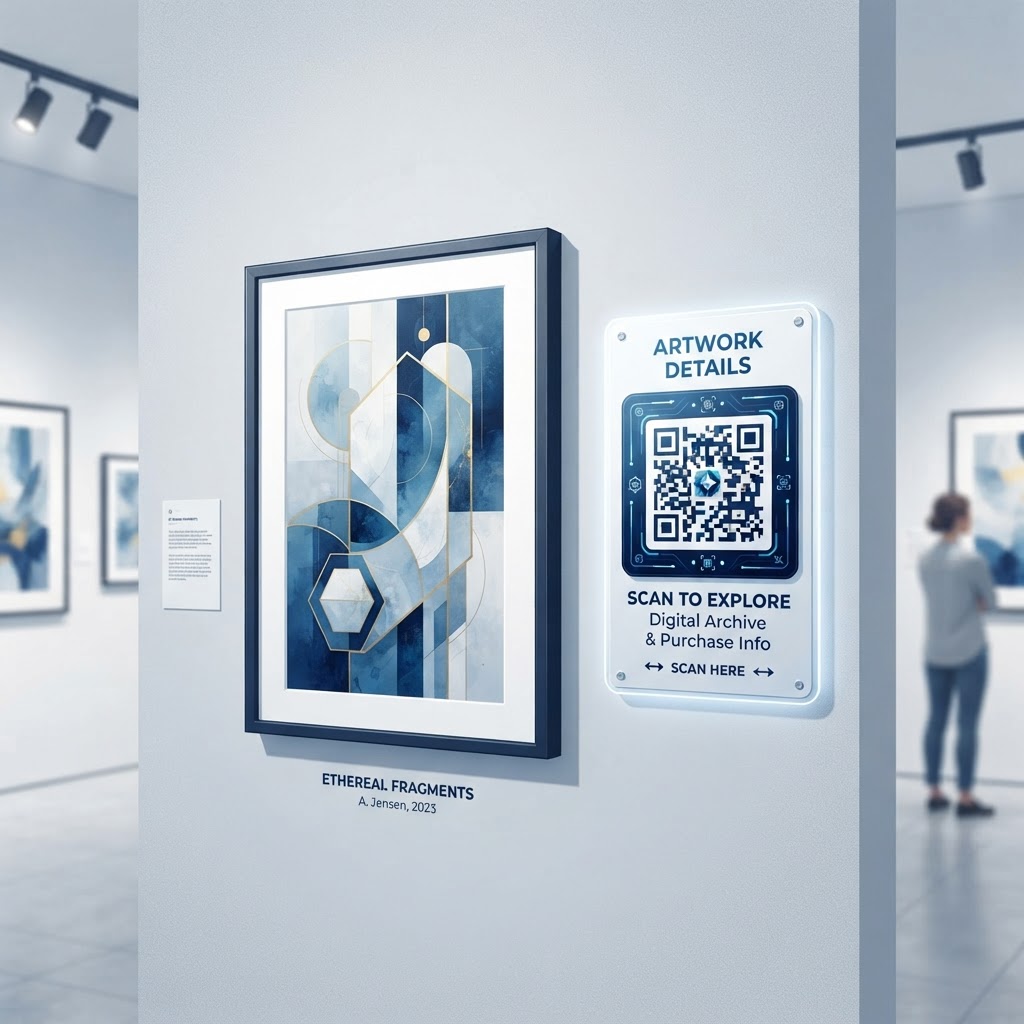
Why Integrating QR Codes Matters in 2026
By 2026, the concept of a gallery exhibition has evolved from a passive viewing experience into an active, data-driven journey. Visitors are no longer satisfied with merely observing a painting or a sculpture from a distance; they arrive armed with their smartphones, expecting instant access to information. When a gallery fails to provide a bridge between the physical art and digital enrichment, they miss a vital opportunity to foster a deeper emotional connection with their patrons. The QR code has become the universal key that unlocks this engagement, serving as an unobtrusive, lightweight gateway that requires no additional apps or complex hardware for the viewer to operate.
The shift toward digital literacy means that even the most casual art enthusiasts now instinctively know how to point their device at a square matrix to retrieve information. In a competitive cultural landscape, galleries that implement QR code technology differentiate themselves by offering layers of interactivity. This could include artist biographies, audio guides that narrate the creation process, or even a virtual tour of the artist's studio. When you choose to utilize a tool like blueqrcode.com, you are not just adding a graphic to a wall; you are curating a digital extension of the physical space. This methodology is particularly essential for galleries hosting solo exhibitions, where the personality of the artist and the backstory of the collection form the core of the marketing strategy. By providing this digital layer, galleries enable visitors to become their own curators, choosing which stories to delve into and which artworks deserve a closer look, ultimately leading to longer engagement times and a significantly more memorable visitor experience that guests are likely to share on social media.
How QR Code Technology Works Technically
Technically, a QR code—or Quick Response code—is a two-dimensional barcode that stores information in a grid of black and white squares. Unlike traditional one-dimensional barcodes that only store simple numerical data, a QR code is designed for high-speed scanning and can encode significantly more information, including complex URLs, text strings, and contact details. When a user scans the code using a modern smartphone camera or a dedicated scanning application, the device's internal software decodes the matrix, translates the data, and triggers an action based on that data. For gallery artwork, the most common application is the URL redirect, which points the user's browser toward a specific landing page, multimedia gallery, or digital catalog hosted on a secure web server.
From a data transmission standpoint, the sophistication of QR technology lies in its error correction capabilities. These codes are built with redundancy, meaning that even if part of the code is obscured, damaged, or slightly out of focus, the scanning device can reconstruct the missing information to successfully navigate to the destination. This is crucial for gallery environments where lighting conditions can vary significantly or where physical placards might be handled frequently. When generating these codes through platforms like blueqrcode.com, you have the ability to manage the destination URL dynamically. This is a critical technical advantage; it allows the gallery to update the digital content linked to a specific physical artwork without ever needing to print or replace the physical QR code placard on the wall. This dynamic linking capability ensures that the visitor's experience remains current, whether you are hosting a temporary exhibition or a permanent installation, by simply updating the destination link on the back end while the physical QR code remains static and functional.
Try it now: Generate a free Qr Code For Gallery Artwork →
Step-by-Step Guide Using blueqrcode.com
Creating a professional QR code for your gallery artwork is a streamlined, user-friendly process when utilizing a dedicated platform. To begin, navigate to the blueqrcode.com interface. First, identify the URL you wish to link to, such as a dedicated artist page or a high-definition video of the artwork creation process. Copy this link from your browser to ensure accuracy, as even a minor typo will break the user experience for every visitor who scans the code. Once you have the link, select the appropriate option within the generator dashboard. You will be prompted to paste your URL into the designated field. This is where the technical heavy lifting occurs behind the scenes, encoding your unique destination into the QR format.
After entering your data, you should focus on the customization options provided by the tool. While a standard black-and-white QR code is functional, customizing the visual design allows it to harmonize with your gallery's aesthetic identity. Adjusting the foreground color or incorporating a subtle frame can help the QR code feel like a natural element of your exhibition labels rather than a disruptive technical add-on. Once the visual configuration is set, perform a test scan using multiple devices—both iOS and Android—to confirm that the redirect functions perfectly in different lighting environments. Download the resulting image in a high-resolution format, such as PNG or SVG, to ensure the print quality is crisp and legible on your gallery labels. By following this systematic approach through blueqrcode.com, you ensure that every artwork in your collection has a reliable, professional, and easily accessible digital counterpart that invites deeper exploration and appreciation from your visitors.
Best Practices for Deployment: Size, Placement, and Format
The effectiveness of a QR code in a gallery setting is heavily dictated by how it is deployed. First and foremost, size matters significantly. A QR code that is too small becomes difficult for a smartphone to focus on, leading to visitor frustration and lost engagement. For standard gallery placards, a minimum size of one inch by one inch (approx. 2.5cm) is generally recommended, though larger sizes are often better for high-traffic areas or wall-mounted displays where the viewer might stand at a distance. The placement should always be at eye level or integrated directly into the exhibit label, ensuring that the user does not have to lean awkwardly or block the view of other patrons to scan the code. Proper signage is also essential; a small, unobtrusive prompt such as 'Scan to hear the artist's story' encourages interaction without cluttering the physical space.
Regarding format, it is vital to avoid 'visual noise' surrounding the code. Maintain a quiet zone—a clear border of white space—around the QR code to ensure the camera can distinguish the matrix from the background design. Furthermore, consider the surface material of your placards. Glossy finishes can cause harsh reflections under gallery spotlights, which can hinder the smartphone camera's ability to read the code. Utilizing matte-finish prints or high-quality heavy stock paper is a professional choice that mitigates glare. Finally, consider the context of the gallery's lighting. If the room is dimmed for mood or preservation of light-sensitive materials, ensure that the area immediately surrounding the QR code is adequately illuminated. By prioritizing these deployment strategies, you create a seamless and professional interface that complements the art rather than competing with it, allowing technology to serve the visitor's curiosity effectively and unobtrusively.
100% Free — No signup required
Create your Qr Code For Gallery Artwork in seconds
Create Free QR Code →Common Mistakes to Avoid
Even with the most sophisticated technology, galleries often fall into common traps that undermine the utility of their QR implementation. One of the most frequent errors is failing to optimize the destination landing page for mobile devices. If a visitor scans a code to learn about a painting, only to be met with a desktop-version website that requires constant pinching and zooming, they will likely abandon the page immediately. Every link associated with your artwork should lead to a responsive, mobile-first design that loads quickly. A slow loading time is a major deterrent; if the page takes more than a few seconds to load, you lose the engagement of the average impatient modern visitor. Test your landing pages on various cellular networks, not just the gallery's local Wi-Fi, to ensure they perform well for guests on standard mobile data plans.
Another common mistake is lacking a clear 'call to action' near the code. Simply placing a QR code on a label without explaining *why* the visitor should scan it leaves them guessing. Is it an audio tour? A video? A price sheet? Without context, many visitors will simply walk past. Furthermore, galleries often forget to keep the content fresh. If a visitor scans a code that leads to an outdated exhibit page from years prior, the credibility of the gallery is diminished. Always ensure your links are audited and updated regularly. Lastly, avoid using 'dynamic' codes that rely on external servers that require paid subscriptions to keep active. Using reliable platforms like blueqrcode.com ensures that your codes remain active and valid, preventing the embarrassment of '404 Not Found' errors when a visitor is trying to engage with an artist's biography or a piece of documentation.
Concrete Use Cases by Industry and Sector
The application of QR codes for artwork extends across various sectors, each finding unique ways to leverage the technology. In the museum sector, curators use QR codes to provide 'behind-the-scenes' technical insights into how a piece was restored or historical context regarding its provenance. By linking to high-resolution scans or archival footage, museums can offer a layer of academic depth without requiring massive printed pamphlets that clutter the viewing halls. In commercial galleries, the focus is often on the purchasing experience. QR codes here are frequently used to link directly to a private, secure digital catalog where collectors can view pricing, availability, and provenance documents, effectively allowing the artwork to sell itself even when a sales associate is busy with another client.
In educational or university galleries, QR codes serve as tools for pedagogy. Professors and students can link to long-form essays, critical theory discussions, or recorded lectures that analyze the exhibition's theme. This turns a simple gallery visit into a comprehensive learning module. Similarly, in public art installations—such as murals or city sculptures—QR codes are invaluable for accessibility. They can link to audio descriptions for the visually impaired or provide multilingual translations of the installation's significance, making art more inclusive for a diverse public audience. Across these sectors, the common thread is the expansion of the 'artistic footprint.' Whether you are a small local gallery or a large institution, the QR code acts as a persistent curator that works 24/7, providing context, facilitating sales, and offering a personalized education to every individual who walks through your doors, regardless of their prior knowledge of the artist or the subject matter.
Summary and Next Steps
Integrating QR codes into your gallery is a strategic decision that aligns your physical exhibition with the realities of modern visitor behavior. By bridging the gap between the canvas and the digital realm, you are not just presenting art; you are providing an immersive experience that resonates with today’s digitally connected audience. We have explored how technology allows for dynamic content updates, the necessity of mobile-optimized landing pages, and the importance of thoughtful physical placement. As you move forward, the first step is to audit your current exhibitions and identify where additional context could enhance the visitor experience. Think about the 'untold stories' of your artists—the interviews, the creative sketches, the behind-the-scenes struggles—that currently remain hidden.
Once you have identified these opportunities, use the professional tools at blueqrcode.com to generate high-quality, reliable codes that reflect the quality of your gallery. Start small by launching a pilot program for a single exhibition to gauge visitor interaction and collect feedback. Observe how many people scan the codes, what content they engage with the most, and use that data to refine your strategy for future shows. The integration of QR technology is a low-barrier, high-impact investment that keeps your gallery at the forefront of cultural engagement. As you implement these changes, you will find that the physical gallery becomes more than just a room with objects on walls—it becomes a vibrant, interactive platform for storytelling that leaves a lasting impression on every guest who steps inside. Begin your transformation today, and bridge the digital divide in your art space.
No watermark · No expiry · Works on all phones
Your QR code is ready in under 30 seconds.
Generate Free QR Code →