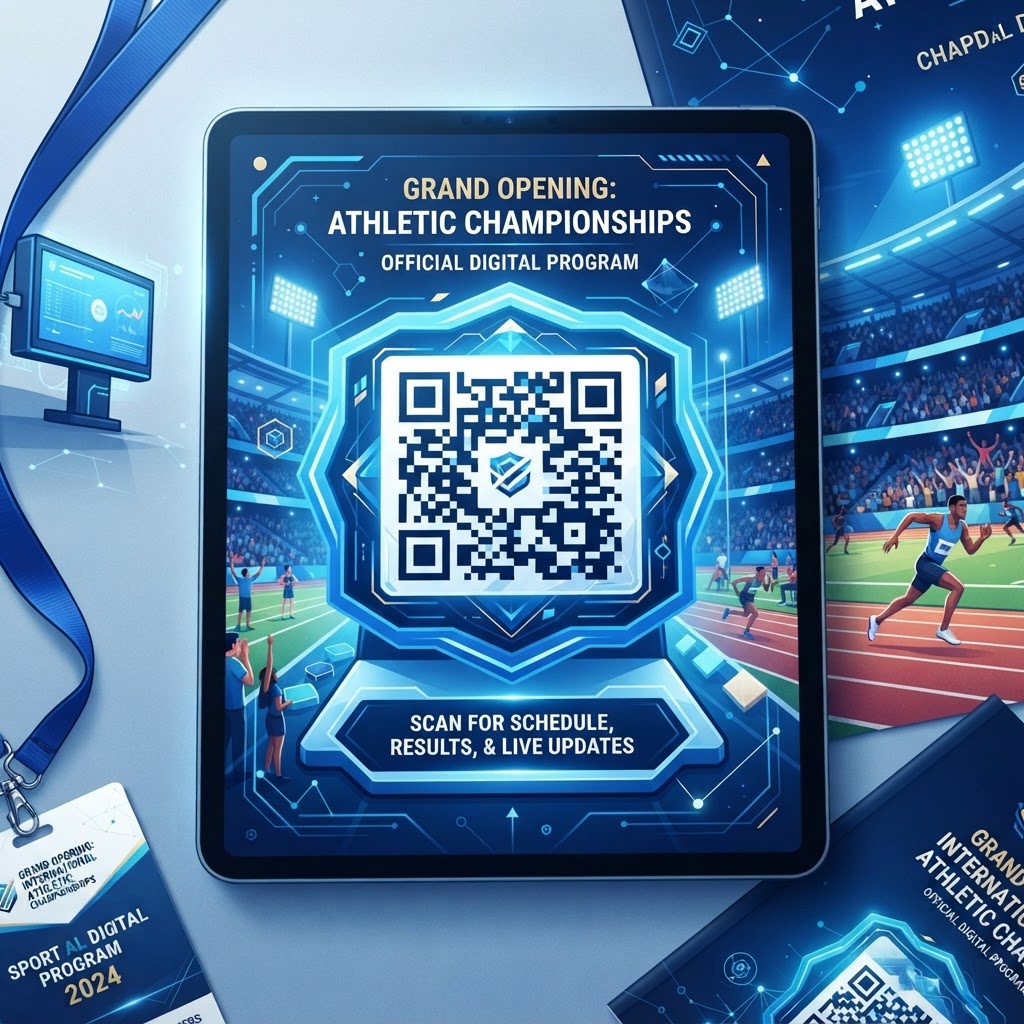
The Importance of Digital Programs in the 2026 Sports Landscape
The sports event industry in 2026 is defined by high-speed information and the expectation of instant gratification. Spectators sitting in the stands no longer want to wait for physical handouts that may contain inaccurate information due to last-minute athlete substitutions or game-day schedule changes. Using a QR code for a sports event program represents a paradigm shift in how fans interact with the venue. When organizers shift to a digital format, they gain the ability to push real-time updates directly to the fan’s device. This agility is crucial in dynamic environments where weather conditions or injury reports might force a modification in the lineup or event flow.
Furthermore, sustainability is a major driving factor for organizations across the globe. Many businesses are under pressure to reduce their carbon footprint, and the elimination of thousands of printed programs is a significant step in the right direction. Beyond cost savings on paper, ink, and labor, digital programs allow for deeper engagement. A physical piece of paper is static; a digital program can host embedded videos, links to live stream replays, sponsor coupon codes, and social media integration. By choosing a digital-first approach with BlueQRCode, event directors demonstrate a commitment to innovation that resonates with a tech-savvy audience. This transition is not merely about replacing paper; it is about providing a richer, more informative, and highly interactive experience that elevates the value of attending the event in person. As connectivity infrastructure in stadiums improves, the reliance on stable, cloud-based digital programs becomes the industry standard, ensuring that fans are always connected to the heart of the competition through their smartphones.
Understanding the Technical Mechanics of QR Code Deployment
Technically, a QR code acts as a visual bridge that directs a user's mobile device to a specific digital destination, most commonly a URL. When a spectator scans the code, their phone’s built-in browser interprets the encoded data, immediately fetching the content hosted at that destination. For a sports event program, this destination is typically a mobile-responsive landing page or a PDF hosted in the cloud. The beauty of this system lies in its universal accessibility; most smartphones come pre-equipped with QR scanning capabilities directly within the native camera application, eliminating the need for attendees to download clunky, third-party software that might alienate less tech-savvy users.
From a data perspective, the process is lightweight and highly efficient. The QR code itself does not store the program; it stores the link to the program. This is a critical distinction because it allows for dynamic content management. If a coach submits a roster change five minutes before kickoff, the event administrator can update the source file or webpage linked to the QR code without needing to generate a new physical code. The existing codes posted around the stadium remain perfectly functional, as they still point to the same URL, which now displays the updated data. This backend flexibility is the primary reason why professional organizations and amateur leagues alike are abandoning static printed materials in favor of scannable QR codes. The underlying technology ensures that security and speed are maintained, provided the hosting environment is configured to handle high traffic concurrently. With a platform like BlueQRCode, the generation of these codes is reliable and optimized, ensuring that the link is clean, the data density remains manageable, and the resulting image is crisp enough to be read from various distances and lighting conditions during the event.
A Step-by-Step Guide to Generating Your Program Code
Creating your sports event program code is a streamlined process when using the tools provided at blueqrcode.com. To begin, first ensure your digital program content is finalized. Whether you have designed a sleek, mobile-responsive webpage or a high-resolution PDF, ensure it is hosted on a stable web server where it is publicly accessible. Once your URL is ready, navigate to the BlueQRCode website and select the URL-based generation tool. This specific tool is optimized for linking physical signage to digital experiences, ensuring that your fans have the fastest possible loading experience once they scan the code.
Next, copy and paste your program’s URL into the designated field on the generator. It is highly recommended to use a descriptive URL that your organization controls, as this builds trust with attendees. Once the URL is entered, take advantage of the customization features available in the BlueQRCode dashboard. You can adjust the QR code's visual style—such as changing the foreground color to match your team’s branding or adding a frame with a clear call-to-action like "Scan for Program & Rosters." These small visual cues are essential for encouraging high scan rates. After finalizing the appearance, generate the code and download it in a high-resolution format, such as PNG or SVG. A vector format like SVG is preferable if you plan to print the code on large banners, as it allows for resizing without losing image quality. Before you commit to a mass printing of your signage, perform a test scan with both Android and iOS devices to verify that the link loads correctly under the specific lighting conditions where the codes will be placed. This simple verification step prevents major technical hurdles on event day.
Best Practices for Deployment: Size, Placement, and Format
The success of your QR code campaign is largely dependent on its physical implementation. Even the best-designed program will go unread if the QR code is placed in an area with poor lighting or insufficient foot traffic. Ideally, place your QR codes at primary touchpoints: at the stadium entrance, on back-of-seat placards, near concession stands, and within the locker room corridors. The size of the code must be commensurate with the distance from which you expect a fan to scan it. For codes placed on printed programs or handbills, a standard 1.5-inch to 2-inch square is sufficient. However, for posters on venue walls, consider increasing this to at least 4 to 6 inches to ensure the camera can focus accurately from a few feet away.
Placement logic should prioritize the user's journey. Attendees often look for information while waiting in line or while getting settled in their seats. By placing the code on the back of the seat in front of them, you turn a passive waiting period into an engaging content-consumption experience. Regarding format, always prioritize high-contrast designs. A black-on-white or dark-on-light color scheme remains the most reliable for scanning. Avoid over-complicating the center of the code with excessive logos, as this can interfere with the data recovery zones of the QR standard. If you are printing on glossy materials, be wary of glare from overhead stadium lights, which can cause significant reflection and make the code unreadable. In such cases, consider using matte-finish posters or anti-glare lamination. By testing your placement strategy throughout the venue, you ensure that every attendee has multiple, convenient opportunities to access the digital program, thereby increasing the total number of reads and reducing the necessity for physical staff to provide manual support.
100% Free — No signup required
Create your Qr Code For Sports Event Program in seconds
Create Free QR Code →Common Mistakes to Avoid During Your Sports Event
Even with the best intentions, organizers often fall into common traps that undermine the effectiveness of their QR code strategy. The most frequent error is neglecting mobile optimization. If your program is a PDF that requires pinch-to-zoom to read the roster, fans will quickly lose interest. The content must be designed specifically for a vertical mobile screen, with readable font sizes and intuitive navigation buttons. Another frequent mistake is using a URL that redirects too slowly or is not properly secured with an SSL certificate, which can cause mobile browsers to display security warnings that discourage users from proceeding.
Furthermore, many businesses fail to include a clear call-to-action (CTA) near the QR code. A standalone QR code without context might be ignored by older demographics or those unfamiliar with the technology. Always include a brief instructional phrase such as "Scan to View Digital Program" or "Access Live Rosters Instantly." This removes ambiguity and provides a clear incentive for the interaction. Another oversight is the failure to maintain the hosting environment. If the website hosting your program crashes due to a traffic spike, the QR code becomes a source of frustration. Ensure your hosting provider can handle a burst of traffic that matches your total stadium capacity. Additionally, avoid placing codes in areas that are frequently blocked by crowds or security personnel. A perfect QR code is useless if it is physically obstructed. By keeping these common failures in mind, you can proactively audit your event setup, ensuring that the technology acts as a seamless extension of the event rather than a source of technological friction for your visitors.
Concrete Use Cases by Industry and Sector
The utility of QR codes for programs extends across various sectors. In youth sports, such as soccer or baseball tournaments, a single QR code posted at the entrance can lead parents to a landing page containing the entire weekend’s schedule, field maps, and emergency contact information for tournament officials. This effectively centralizes communication, preventing a flood of redundant questions at the information desk. Similarly, in collegiate athletics, QR codes are being used to provide deep-dive insights. Fans scanning the code can access detailed player statistics, season-long performance metrics, and even historical records, creating an 'ESPN-like' experience right from their seat.
For professional leagues, these codes serve a commercial purpose as well. A digital program can include clickable ad space for sponsors, where fans can tap on a logo to receive a discount code for merchandise or a nearby concession item. This measurable engagement is highly attractive to sponsors who are tired of paying for static paper ads that offer no tracking. Finally, in the fitness and marathons sector, QR codes placed at the finish line can link participants to their official results, split times, and photo galleries, providing immediate gratification after a long event. In each of these instances, BlueQRCode allows for a seamless redirect, ensuring that the organizers spend less time managing paper logistics and more time focusing on the quality of the competition. By digitizing the program, you turn an administrative burden into a versatile marketing and information distribution channel that functions efficiently regardless of the sport or the size of the crowd.
Summary and Strategic Next Steps for Your Event
Transitioning to a digital program via a QR code is a definitive upgrade for any sports event in the modern era. As we have explored, the primary advantages—scalability, cost-efficiency, and real-time flexibility—make this approach superior to traditional print in almost every metric. By utilizing the tools at blueqrcode.com, you ensure that your event is equipped with a professional, reliable, and user-friendly entry point that guides your audience to the information they need without delay. The technological backbone is simple to implement, yet the positive impact on fan experience is profound, as it respects their time and provides them with deeper access to the event narrative.
Your next steps are clear: first, audit your existing program materials and identify which pieces of information truly provide value to the spectator. Next, ensure these items are consolidated into a mobile-first digital experience. Once your landing page is ready, leverage the BlueQRCode platform to generate a branded, easy-to-scan code. Do not wait until the day of the event to test your implementation; conduct a dry run in the actual venue to account for lighting, spacing, and connectivity. By treating this digital program as a cornerstone of your event strategy, you demonstrate foresight and a commitment to a modern fan experience. The move toward paperless events is inevitable, and by adopting these strategies today, you position your organization at the forefront of this shift, creating a more engaging, efficient, and memorable atmosphere for every athlete, coach, and fan in attendance.
No watermark · No expiry · Works on all phones
Your QR code is ready in under 30 seconds.
Generate Free QR Code →