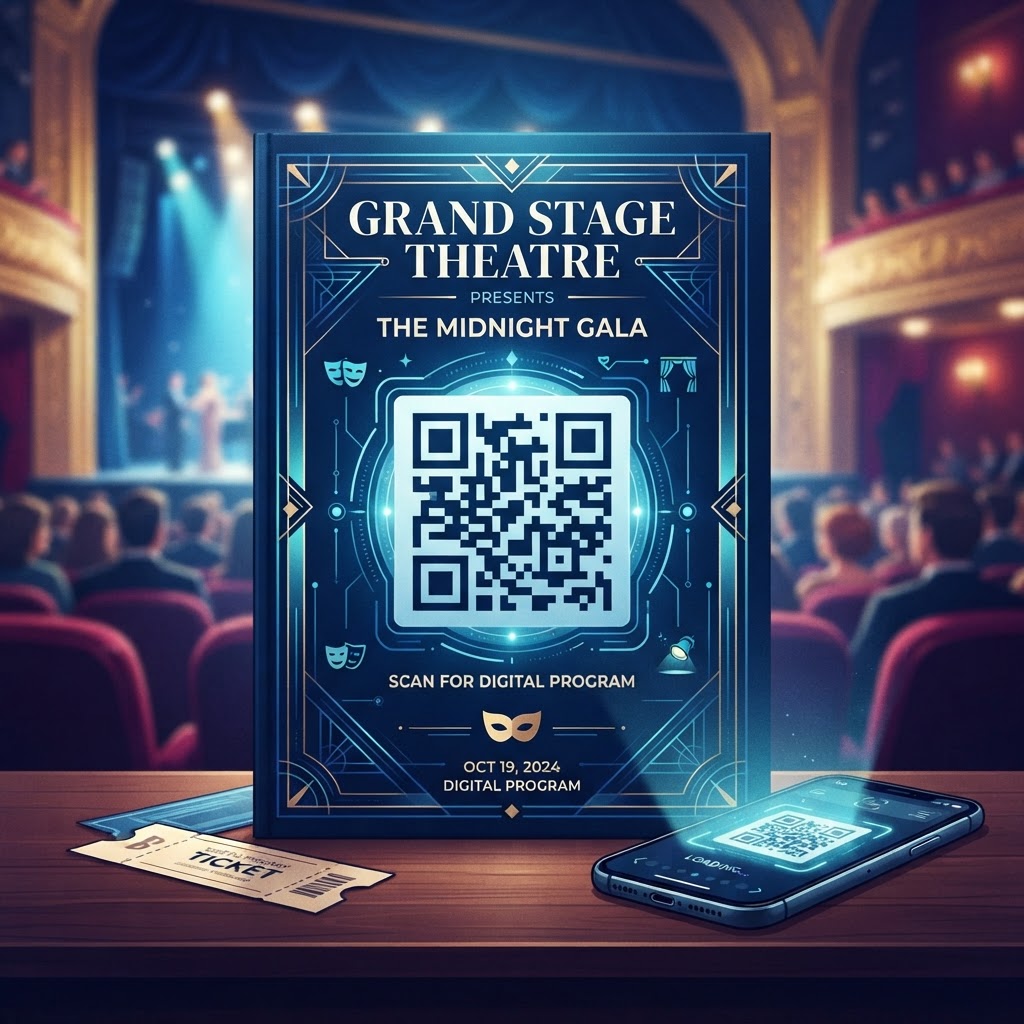
Why Integrating a QR Code for Theatre Programs Matters in 2026
As we navigate the theatrical landscape of 2026, the reliance on physical paper is dwindling in favor of sustainable and dynamic alternatives. The primary reason a QR code for a theatre program is essential centers on accessibility and environmental responsibility. Many businesses in the arts sector have identified that printed media is often discarded immediately after a performance, leading to significant waste. By transitioning to a digital format, theaters can significantly reduce their overhead costs and carbon footprint while simultaneously offering a more inclusive experience for all audience members. Furthermore, a digital program allows for real-time updates; if a cast change occurs, or if you need to add a late-breaking announcement about an intermission or a donor appeal, a digital link can be refreshed instantly. This level of agility is impossible with traditional printing methods.
Beyond logistics, the digital experience offers a wealth of opportunities for engagement that paper simply cannot provide. Within a digital program, you can embed high-resolution video interviews with the actors, audio commentary from the stage director, or interactive links to purchase tickets for future shows. This transforms the program from a passive reading document into a vibrant hub of media content that deepens the audience's appreciation for the production. Most smartphones today can process high-density QR codes without third-party applications, making the barrier to entry non-existent for the average patron. By utilizing a service like blueqrcode.com, you ensure that your digital gateway is reliable, fast, and optimized for a wide range of mobile devices, ensuring that your branding remains consistent and professional from the lobby to the final bow.
How QR Code Technology Works Technically for Theatrical Displays
At its core, a QR code—or Quick Response code—is a two-dimensional matrix barcode that stores information in a way that is easily readable by an imaging device, such as a camera or an optical scanner. When you generate a QR code for a theatre program, you are essentially creating a visual shortcut to a specific URL. The code itself contains the encrypted path to your hosted program, which is typically stored as a PDF, a web page, or a mobile-optimized app. When a user scans the code, their smartphone's software parses the pattern of dots and lines to resolve the URL, which then triggers the browser to open the destination page. This process relies on a robust backend infrastructure that ensures the transition from the physical printed medium to the digital interface is seamless and instantaneous.
Technically, the efficiency of this process depends on the size of the QR code and the complexity of the data mapped to it. Using blueqrcode.com, you can generate a high-fidelity URL-based QR code that is optimized for quick scanning in dimly lit environments, such as a theatre lobby or a darkened auditorium. Because the URL path is relatively short, the pattern of the QR code remains clean and uncluttered, which is a key factor in scan success rates. When you host your program online, the code itself doesn't change even if you update the content on that page, which is known as a dynamic mapping technique. This allows you to print the code on thousands of playbills or posters long before the show opens, confident in the knowledge that you can adjust the final content of the program at the very last minute without needing to re-print your physical assets.
Try it now: Generate a free Qr Code For Theatre Program →
Step-by-Step Guide to Creating Your Digital Program Using BlueQRcode
Creating your digital theatre program is a straightforward process that begins with preparing your content. First, ensure your program is saved in an easily accessible format, such as a mobile-friendly web page or a compressed PDF document. Once your content is ready and hosted online, visit blueqrcode.com to begin the generation process. Upon landing on the site, you will see a variety of options; you should select the URL-based QR code category, which is specifically designed for linking to websites or external document hosting services. Paste your program’s URL directly into the input field. It is crucial to verify that the URL is correct and functional before proceeding, as any small error will break the link and frustrate your patrons during the show.
After entering the link, the platform allows you to customize the aesthetic of the code to match your production’s branding. You can adjust the colors and frame shapes to align with your theater's color palette, ensuring the code feels like a native part of your promotional materials. Once you are satisfied with the design, generate the code and perform a series of test scans using various devices—such as older model iPhones, modern Android tablets, and different browser configurations—to guarantee universal compatibility. After verifying that everything functions perfectly, download the high-resolution file. We recommend using a vector format or a high-DPI raster file (like a PNG) for print, as this ensures that the QR code remains crisp and scannable even if it is printed on a large lobby poster or a small sticker. Always keep your original source file stored safely should you need to reference the link later.
Best Practices for Deployment: Size, Placement, and Format
Strategic placement and visual clarity are the two most important factors in ensuring that your audience actually uses your digital program. A common rule of thumb is that the physical size of the QR code should be at least two inches by two inches, though this can vary depending on the distance from which the audience is expected to scan it. If the code is placed on a large wall banner in the lobby to welcome guests, it should be significantly larger to accommodate the distance. However, for a standard program insert or a ticket stub, two inches is generally sufficient. It is also imperative to provide a clear "Call to Action" (CTA) next to the code. A simple line of text such as "Scan here to view the full digital program" or "Access your program notes instantly" significantly increases scan rates, as it tells the user exactly what to expect when they engage with the graphic.
Environmental lighting is another crucial consideration. Theatre lobbies can often be dark or dimly lit, which makes high-contrast design mandatory. Use a black QR code on a white background, or another combination that offers maximum color contrast. Avoid using light colors for the code itself, as many smartphone cameras will fail to focus on or interpret low-contrast patterns. Additionally, place the code in an area that is easily accessible; avoid putting it on surfaces that are high up on walls or behind protective glass that might reflect ambient lights, creating glare. For printed programs, placing the code on the back cover or a prominent insert allows patrons to scan it comfortably while sitting in their seats, ensuring the experience is seamless and does not disturb those around them during the pre-show period.
100% Free — No signup required
Create your Qr Code For Theatre Program in seconds
Create Free QR Code →Common Mistakes to Avoid When Using QR Codes in the Theatre
One of the most frequent mistakes made by event organizers is failing to test the QR code under actual operating conditions. Just because a code scans perfectly in a brightly lit office on a monitor does not mean it will scan well on a matte-finish program insert in a dimly lit auditorium. You must simulate the theater environment by dimming the lights and testing from various angles to ensure your patrons won't experience issues. Another critical error is using a broken link or a URL that requires a specific, non-standard application to open. Always ensure that the destination is a mobile-responsive webpage that loads quickly over cellular data, as public Wi-Fi in large buildings can sometimes be unreliable or congested during show times.
Furthermore, many organizations forget to provide an alternative for patrons who may not have a smartphone or who prefer a physical copy. While the goal is to shift to digital for environmental and cost reasons, maintaining a small reserve of printed copies for those who need them is a mark of professional inclusivity. Another major pitfall is failing to account for the "quiet zone." A QR code needs a white border around it to be detected by a camera. If you design your QR code and then crop it too tightly against a busy graphic or background texture, the phone will struggle to identify the borders of the code, leading to failed scans. Always use the generated files from blueqrcode.com exactly as provided, maintaining the integrity of the design and ensuring that there is enough negative space around the edges for optimal performance.
Concrete Use Cases by Industry and Sector
In the world of high school and university drama programs, QR codes are a game-changer for educational outreach. Educators can link the code not just to the cast list, but to detailed bios of the students, educational essays about the playwright's history, and even links to the department's donation page. This transforms a simple night out into an educational experience. For professional regional theaters, the QR code serves as a prime real estate for sponsor recognition. By hosting the program digitally, you can offer your corporate sponsors clickable banner ads or direct links to their products, providing measurable value that you cannot offer with a static print advertisement. This data can be tracked, allowing you to report on how many patrons clicked through to a sponsor’s website during the show.
In the sector of outdoor festivals and community arts, QR codes allow for dynamic, day-of-show updates. If a performance is moved due to rain, or if a performer has an emergency, a digital program can be updated with a prominent notice that immediately reaches the audience's phones. This real-time communication builds trust and professionalism. Additionally, for avant-garde or experimental theater, the digital program can contain hidden easter eggs, such as behind-the-scenes photographs of the prop-building process or an audio-guided tour of the stage set, which allows the audience to interact with the show's lore on a deeper level. By tailoring the content of the digital experience to the specific needs of the venue and the production, you ensure that the QR code becomes a value-add rather than just a replacement for paper.
Summary and Next Steps for Your Production
Implementing a QR code for your theatre program is a strategic investment in the future of your organization. By moving to digital, you not only align your theater with the expectations of the 2026 audience but also unlock new possibilities for engagement, data tracking, and sustainability. The process, while technically simple, requires careful attention to detail—from ensuring the highest image quality when printing to crafting an intuitive user experience on your destination web page. Platforms like blueqrcode.com provide the essential framework to get started immediately, offering reliability and professional-grade generation that helps you avoid common pitfalls. As you begin this transition, keep your audience's experience at the forefront of your design decisions, ensuring that the technology enhances the performance rather than complicating it.
To move forward, start by auditing your current program content. Identify the elements that are static and those that could benefit from interactivity, such as video or links to future booking pages. Once you have a clean, mobile-optimized digital version ready, visit our platform to generate your high-quality, permanent URL-based QR code. Test your setup in the actual theater space, refine your placement, and prepare your front-of-house staff to assist patrons who might be new to this technology. The transition to digital playbills is a rewarding shift that signifies a commitment to modern innovation and better service. Start your journey toward a paperless theater today and enjoy the flexibility and engagement that a well-implemented QR code brings to your next standing-room-only performance.
No watermark · No expiry · Works on all phones
Your QR code is ready in under 30 seconds.
Generate Free QR Code →