Why Integrating QR Codes Matters in 2026
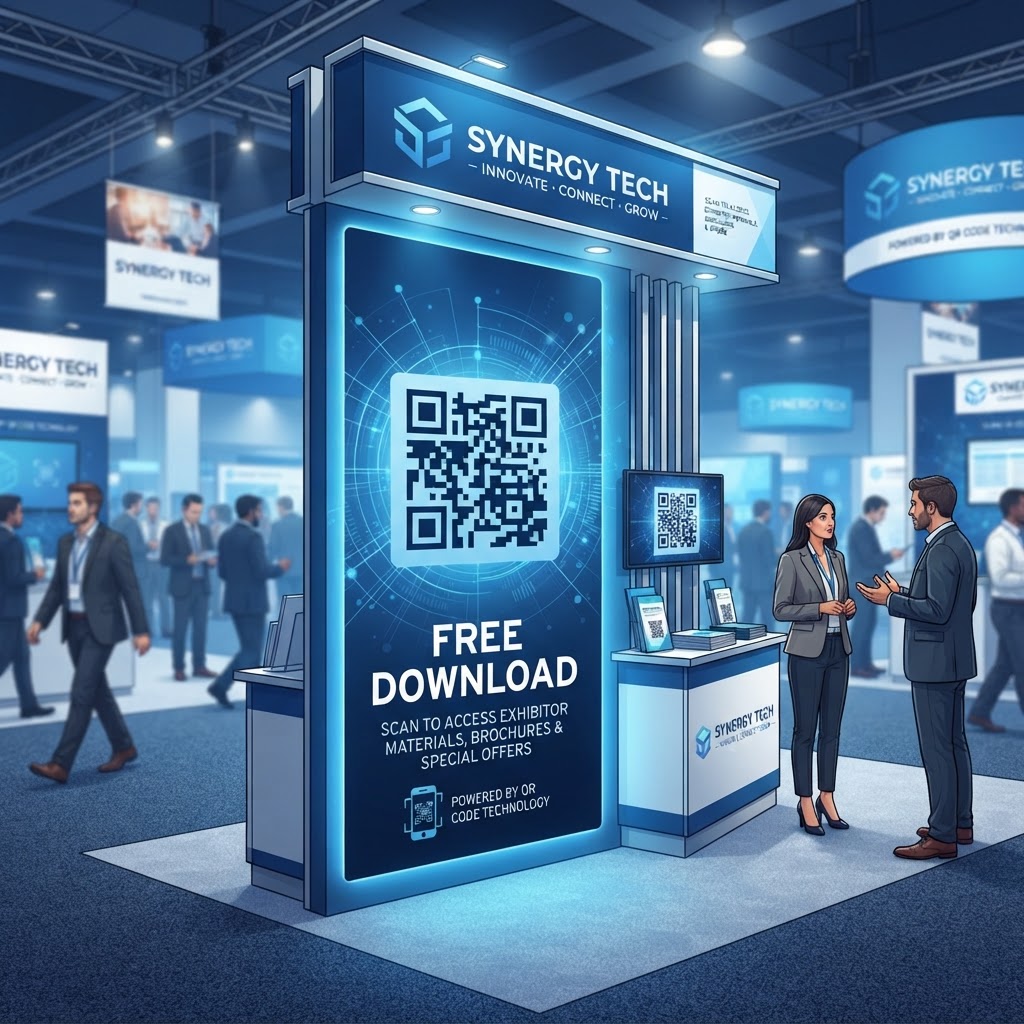
As we navigate the trade show landscape of 2026, paper collateral is declining in favor of immediate, actionable digital engagement that delivers information directly to attendees' mobile devices. Visitors expect a frictionless experience where a QR code for your trade show booth free provides instant access to resources without the burden of physical materials.
Digitizing content enables updated, high-definition resources and demonstrates sustainability to eco-conscious attendees. Offering a QR code respects visitor time, provides a personalized experience, and leverages native smartphone scanning to keep your brand memorable and accessible.
Key Points
- Engagement: QR codes enable instant, device-native interactions that extend booth engagement beyond the show floor.
- Sustainability: Digital delivery reduces printed waste and aligns with modern, eco-conscious attendee expectations.
- Accessibility: Most smartphones have native scanning, lowering barriers to adoption and increasing scan rates.
How QR Code Technology Works at Trade Shows
At its core, a QR code is a two-dimensional barcode that encodes data—such as a URL, vCard, or PDF—into a matrix of squares that a camera can interpret. Because most smartphones include integrated QR scanning, attendees typically do not need third-party apps, removing a major friction point.
Reliability depends on error correction level and density; platforms like blueqrcode.com optimize codes for high-speed scanning even in dim or flashing convention environments. Linking codes to landing pages with unique query parameters enables tracking of when and where scans occur, providing valuable data on booth performance.
A tiny static image can serve as a gateway to catalogs, social profiles, or vCards that save directly to a visitor's phone, effectively acting as an automated assistant that preserves your brand message after the event ends.
Step-by-Step Guide to Generating Codes on blueqrcode.com
Follow these core steps to create a professional QR code for your booth using blueqrcode.com.
- Step 1: Choose the content type (landing page, downloadable catalog, or vCard-qr) and enter clean, mobile-optimized data such as URLs or contact details.
- Step 2: Customize the code’s appearance to match your branding while prioritizing scannability, then test it from different angles, distances, and devices.
- Step 3: Download the high-resolution file (SVG or PNG) and deploy it on banners, table displays, or digital screens; test live in-booth conditions before the show opens.
Best Practices for QR Code Deployment and Placement
Placement and presentation significantly affect scan rates; thoughtful deployment turns casual passersby into engaged prospects.
- Placement: Position codes at eye level or where visitors pause, such as near product displays or table runners, not on the floor or hidden corners.
- Size: Ensure codes are large enough to scan from several feet away (generally at least 4" x 4" for banners).
- CTA & Mobile Experience: Add a clear call to action (e.g., "Scan for a Free Product Demo") and make sure destination pages are mobile-responsive and fast-loading.
100% Free — No signup required
Create your Qr Code For Trade Show Booth Free in seconds
Create Free QR Code →Common Mistakes to Avoid at Your Trade Show Booth
Avoid these frequent pitfalls to ensure your QR code strategy converts rather than frustrates attendees.
- Large, non-optimized files: Linking to massive PDFs that load slowly on cellular data will cause visitors to abandon the page.
- Insufficient cross-device testing: Different OS and camera apps can interpret contrast differently—test across a range of smartphones.
- Overly complex design: Excessive logos or patterns can interfere with the data matrix; prioritize contrast and simplicity for reliable scanning.
- Uninformed staff and no fallback: Ensure booth staff know which codes do what, and keep printed alternatives like business cards for those who prefer them.
Concrete Use Cases for Diverse Industry Sectors
QR codes can be tailored to industry-specific needs, delivering the right content at the right moment for different audiences.
Software and technology
Use case: Link codes to live demo pages, free trial sign-ups, or technical documentation so visitors can explore capabilities on their own devices.
Manufacturing
Use case: Provide specs, safety sheets, or a vCard-qr to save the lead engineer’s contact for follow-up on technical inquiries.
Retail and consumer goods
Use case: Link to interactive catalogs or exclusive show-only discount codes to drive immediate purchases or later e-commerce visits.
Consulting and professional services
Use case: Connect codes to appointment scheduling tools so attendees can book discovery calls while at your booth.
Summary and Strategic Next Steps for Exhibitors
A well-executed QR code strategy is a cornerstone of modern event marketing, enabling reduced waste, actionable data, and a seamless attendee experience. Use blueqrcode.com to generate high-quality codes that align with your brand and test them thoroughly across environments.
Next steps: audit marketing materials to identify digital opportunities, generate and test codes, and prepare booth staff to guide visitors toward meaningful follow-ups that drive long-term growth. If you want to streamline your contact sharing, you can generate yours here with our free vCard QR Code Generator.
Conclusion
Leveraging free, accessible QR code tools today ensures your business remains at the forefront of event innovation. Keep links updated, designs clean, and calls to action clear to convert scans into lasting professional relationships.