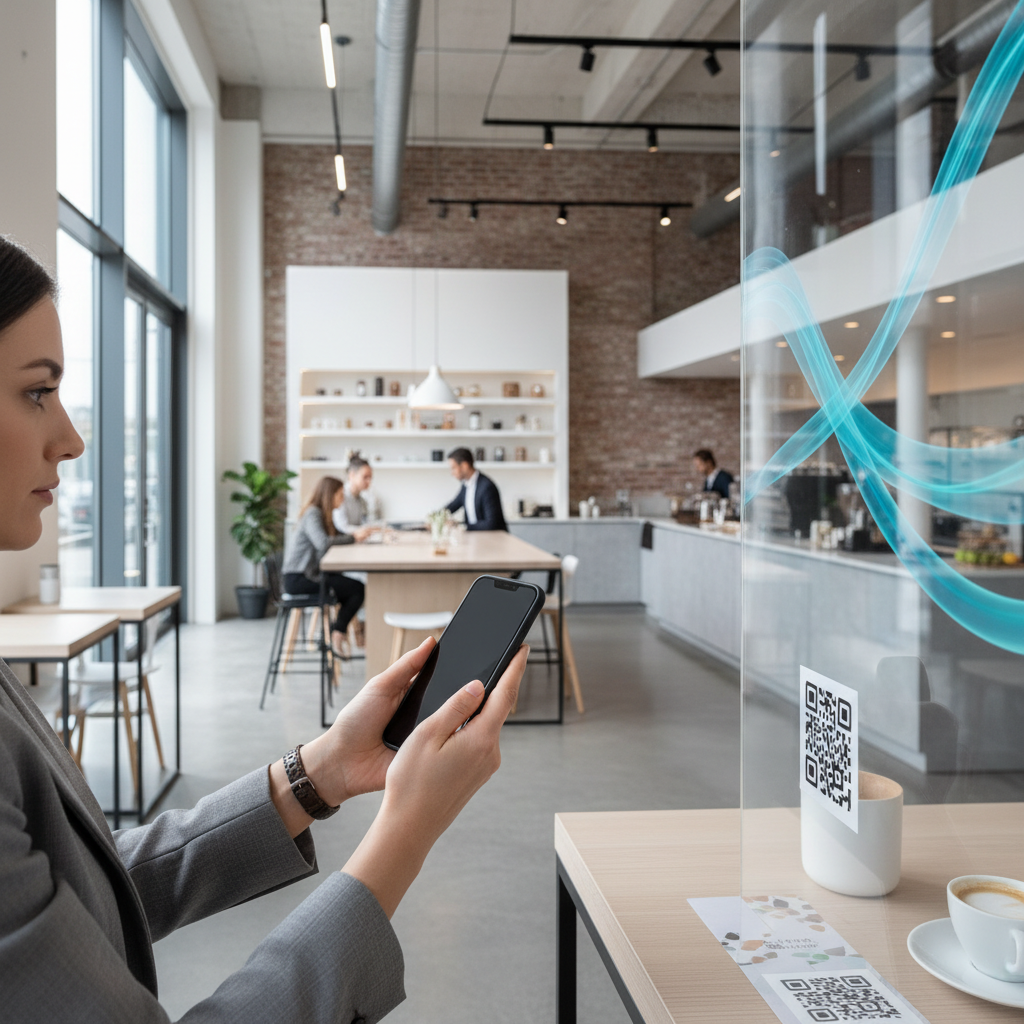
What Is QR Code Marketing Strategy and Why It Matters in 2026
A QR code marketing strategy is a deliberate plan for using Quick Response codes as active touchpoints that connect physical environments directly to digital experiences. It defines the code type, placement, trigger action, and how the code fits into the customer journey.
In 2026 QR codes are expected rather than novel: smartphone cameras on virtually all modern devices — covering 95% or more of handsets released since 2020 — can scan natively without an app. That frictionless entry point makes QR codes one of the most accessible bridges between offline and online for marketers today.
Key Points
- Intentionality: A successful strategy treats QR codes as purposeful touchpoints, not decorations.
- Accessibility: Native camera scanning on most phones makes QR codes frictionless for consumers.
- Execution: Code type, placement, CTA, and destination experience must all align to deliver value.
Core Elements of a Winning QR Code Marketing Strategy
These foundational elements appear in every effective QR campaign.
- Code type: URL codes for websites, WiFi codes for network access, vCard codes for contacts, SMS codes for messages, or payment codes for transactions; choose the type that minimizes friction.
- Placement strategy: Place codes where the audience will scan them (product packaging for post-purchase, entrance for decision moments, business cards for networking).
- Call-to-action (CTA) text: Always add short explanatory CTA text (e.g., "Scan for menu", "Scan for today's deal") so users know what to expect.
- Destination experience: Landing pages must be relevant, fast, and mobile-optimized; a generic homepage wastes the opportunity.
How to Create QR Codes for Your Marketing Campaigns on blueqrcode.com
Follow these practical steps to generate marketing-ready QR codes quickly.
Try it now: Generate a free Qr Code Marketing Strategy →
Try it now: Generate a free Qr Code Marketing Strategy →
- Step 1: Visit blueqrcode.com and select the QR code type that matches your campaign goal (URL, WiFi, vCard, SMS, etc.).
- Step 2: Enter your content: a destination URL for website campaigns, WiFi credentials for network sharing, name and contact details for vCard codes, or message text for SMS codes.
- Step 3: Customize colors if needed — keep contrast high so scanning is fast and reliable across devices.
- Step 4: Download in PNG for print or SVG for scalable digital use.
- Step 5: Print at minimum 2.5cm × 2.5cm for handheld distance and scale up for posters and signage.
- Step 6: Always add a short CTA label under or next to the code (e.g., "Scan for menu", "Scan to RSVP").
Because blueqrcode.com generates static QR codes, they do not expire and require no backend maintenance. They will continue to work as long as the destination URL remains active.
QR Code Marketing Strategy by Industry: Real-World Examples
Different industries use QR marketing in ways that map to customer needs at each touchpoint.
- Restaurants and food service: Table QR codes link to digital menus, contactless ordering, or reservations; a 4cm×4cm code on a table tent generates high scan rates.
- Retail and ecommerce: Packaging codes link to care instructions, how-to videos, or loyalty signup; a business-card-sized code on packaging is common.
- Events and conferences: Check-in QR codes on lanyards or badges, vCard codes for networking, and booth codes to drive traffic are effective patterns.
- Real estate and property: Listing codes on "For Sale" signs link to virtual tours or agent contact info; use larger codes (5cm×5cm+) for drive-by visibility.
- Loyalty and membership: Codes on receipts or cards trigger signup flows or account linking; a clear CTA like "Scan to join and get 10% off today" drives conversions.
Best Practices for Maximizing QR Code Marketing ROI
Apply these best practices to increase scan rates and conversion performance.
- Use UTM parameters: Add UTM codes to destination URLs (for example, ?utm_source=qr_packaging&utm_medium=packaging&utm_campaign=summer_2026) to track which codes drive traffic and conversions.
- Test before deployment: Scan the final printed version on both iOS and Android to catch contrast, size, or placement issues before a large print run.
- Mobile-first destination: Ensure landing pages load instantly and function fully on mobile devices; slow pages kill ROI even with high scan rates.
- Refresh for seasonal campaigns: Generate new codes for time-limited promotions to track performance separately and sunset expired codes.
- Size matters: Use a minimum of 2.5cm for handheld scanning; increase size for distance viewing (5–10cm or larger) to improve reliability.
- Contrast is non-negotiable: Use dark code on light background (or vice versa) with a high contrast ratio; avoid light-on-light color combinations.
Common QR Code Marketing Mistakes to Avoid
These common errors reduce scan rates and damage user experience.
100% Free — No signup required
Create your Qr Code Marketing Strategy in seconds
Create Free QR Code →- No CTA text: A bare QR code without explanation has low scan rates because users don't know what it unlocks; always add a 2–4 word label.
- Bad destination experience: Landing on a generic homepage after scanning is frustrating; the destination must deliver the promise in the CTA.
- Wrong QR type: Using a URL when a WiFi or vCard would be faster creates unnecessary friction; choose the appropriate type.
- Printing too small: Codes under 2.5cm are hard to scan and lead to high failure rates; print larger than you think you need.
- No tracking: Without UTM parameters or analytics, you can't measure ROI or optimize campaigns.
- Poor lighting placement: Codes placed in dark corners get far fewer scans than those in bright, well-lit areas; placement matters.
Frequently Asked Questions About QR Code Marketing Strategy
What's the difference between static and dynamic QR codes for marketing?
Static QR codes (like those generated by blueqrcode.com) encode a fixed URL and never change. Dynamic QR codes use a redirect service to track scans and allow the destination to be updated after printing.
For most small to mid-size businesses, static codes are sufficient because they're free and require no backend. Use dynamic codes only if you need post-print destination changes or real-time scan analytics.
How do I measure the success of my QR code marketing campaign?
Add UTM parameters to destination URLs and track visits in Google Analytics (for example: ?utm_source=qr_poster&utm_medium=print&utm_campaign=summer_sale). This reveals traffic, bounce rate, conversions, and ROI for each code.
Some businesses also use link shorteners like bit.ly to get additional click metrics before the final destination.
What size should my QR code be when printing?
Minimum 2.5cm × 2.5cm for handheld distance (30–50cm). For posters and wall signage viewed from 1m+, use 8cm×8cm or larger.
For outdoor billboards scale proportionally to viewing distance. In general, larger codes scan faster and more reliably.
Can I customize the colors of a QR code generated on blueqrcode.com?
Yes. You can change the code modules and background colors as long as you maintain high contrast (3:1 ratio or higher). Dark blue, dark green, or dark red on white are acceptable combinations.
Avoid light colors on light backgrounds because they frequently fail to scan.
Do QR codes ever expire?
Static QR codes (such as those from blueqrcode.com) do not expire on their own. However, if the destination URL becomes inactive, scanning the code will lead to a dead link.
Maintain your destination URLs for as long as the codes remain in circulation.
Conclusion
A thoughtful qr code marketing strategy aligns code type, placement, CTA, and destination to solve a real customer need and measure results. Use blueqrcode.com to generate free static codes quickly and focus on delivering a mobile-first, trackable experience.
No watermark · No expiry · Works on all phones
Your QR code is ready in under 30 seconds.
Generate Free QR Code →