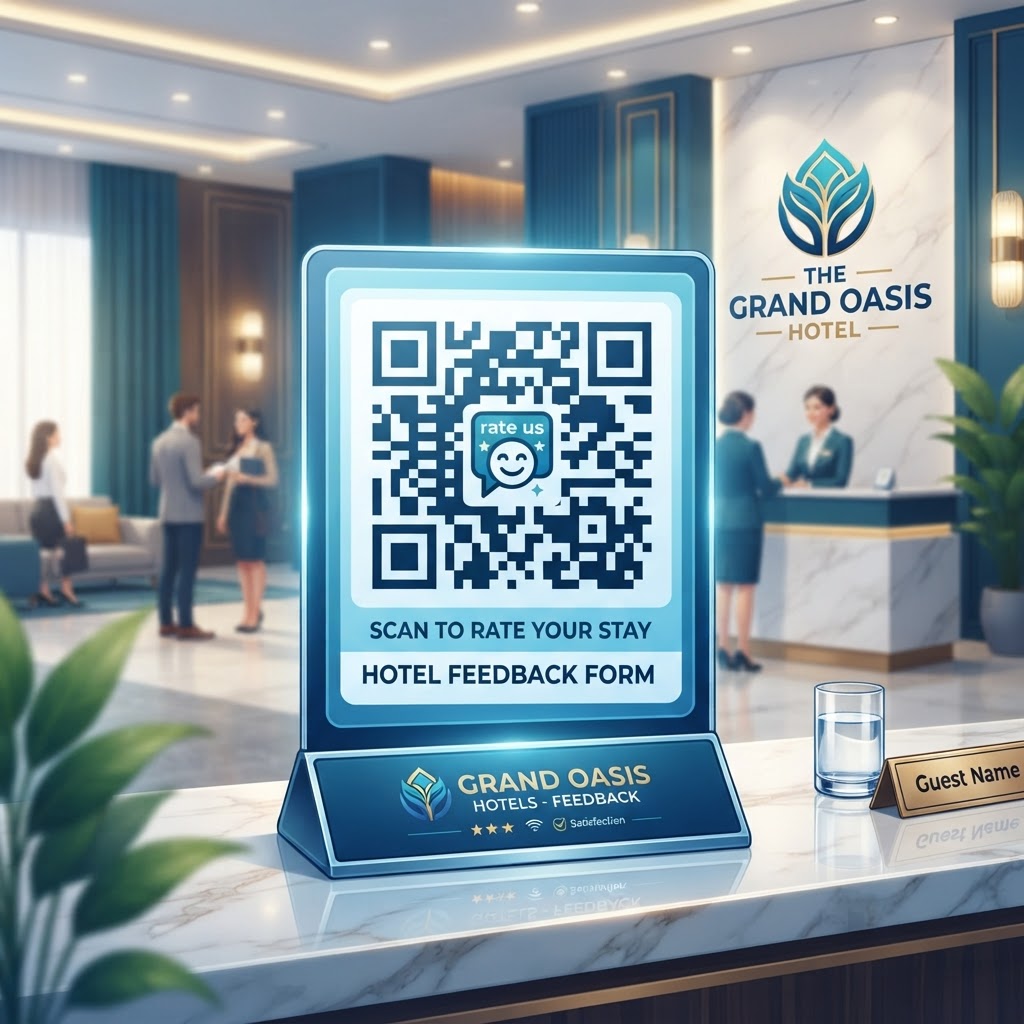
1. Why Using a QR Code for Hotel Feedback Matters in 2026
The hospitality landscape has evolved significantly by 2026, with travelers now expecting instantaneous service and frictionless communication. When a guest encounters an issue, whether it is a noisy room, a lack of amenities, or a service delay, their immediate reaction is often to share that frustration. Providing a QR code for a hotel feedback form acts as a digital safety net, allowing management to intercept negative experiences before the guest checks out and posts a public review. By placing these codes strategically in rooms or at the front desk, hotels demonstrate a proactive commitment to quality assurance, showing guests that their opinions are a top priority.
Furthermore, most smartphones are now natively equipped with scanning capabilities, removing the need for third-party applications. This accessibility makes QR codes the most efficient method for directing guests to survey URLs without friction. In 2026, speed is the primary currency of service; manual paper comment cards are frequently ignored or lost, but a digital scan invites instant participation. By gathering actionable data immediately, hotel managers can identify trends in service failure, equipment malfunctions, or staff performance gaps. This data-driven approach allows for agile decision-making, enabling hotels to pivot their strategies to meet the changing demands of a modern guest base. When guests feel that their feedback leads to tangible improvements, they are far more likely to return, effectively turning a simple scan into a long-term retention strategy for your property.
2. How the Technology Works: Technical Implementation
The underlying technology of a QR code for a hotel feedback form is surprisingly elegant in its simplicity. Essentially, a QR code is a machine-readable optical label that contains information related to a specific URL. When a guest scans this code, their device’s web browser automatically navigates to your designated feedback form, whether that form is hosted on your internal server, a third-party survey platform, or a Google Form. The technical beauty lies in the redirection; the code itself does not store the feedback, but rather acts as a secure, persistent gateway that ensures every scan leads to the correct, up-to-date URL. By utilizing dynamic QR codes from [blueqrcode.com](https://blueqrcode.com), hoteliers can update the landing page destination without needing to reprint physical marketing materials, which saves significant time and money over the lifespan of the property.
Behind the scenes, these QR codes function by encoding an alphanumeric string that triggers an HTTP request. Modern mobile operating systems are optimized to interpret these patterns instantly. From a security perspective, this method is highly reliable, provided the survey link is secured via HTTPS to protect guest information. Many businesses also implement tracking parameters in the URL to understand which specific QR code—perhaps one located in the lobby versus one in the room—was scanned. This granular level of technical insight helps administrators differentiate between feedback about guest-facing public spaces and the privacy of individual accommodations. The backend system then compiles this data into a structured format, allowing for automated alerts if a guest reports a critical issue, effectively creating a real-time digital concierge system that manages guest relations while the manager focuses on high-level strategy.
3. Step-by-Step Guide Using BlueQRCode
Creating a professional QR code for a hotel feedback form is a straightforward process when using the tools provided at [blueqrcode.com](https://blueqrcode.com). First, ensure that your feedback form is live and that the URL is public-facing. Once your URL is ready, navigate to the generator and select the option for a URL QR code. You will see a dedicated field where you can paste your feedback form link. It is advisable to use a dynamic QR code option if available, as this allows you to change the target URL in the future if your feedback platform provider changes or if you wish to run seasonal surveys without generating new physical codes. Next, customize the appearance of your code. While a black-and-white code is standard, you can enhance brand recognition by incorporating your hotel’s primary color into the QR code modules or by adding a discreet logo in the center. After configuring the design, click the generate button to produce a high-resolution image. Before finalizing, always perform a test scan with multiple mobile devices to ensure the URL loads correctly in various browsers, such as Chrome and Safari. Download your code in a vector format like SVG or EPS if you plan to print it on large signage, or use high-quality PNG for printed cards and small placards. Once generated, save the files in a secure location and integrate them into your guest welcome kits or bedside stationary. By following these methodical steps, you ensure that the implementation is not just technically sound, but also aesthetically aligned with your hotel's overall branding strategy, providing a premium experience from the moment the guest decides to provide feedback.
4. Best Practices for Deployment: Size, Placement, and Format
The success of your feedback strategy depends heavily on where and how you present the QR code. The most common pitfall is placing the code in an obscure or high-traffic area where guests feel rushed. Instead, consider the 'dwell time' of your guests. Placing a QR code on a small, elegantly designed tent card on the bedside table or the coffee station within the room is ideal. These are areas where the guest is relaxed and has their smartphone nearby. Size matters; the QR code must be large enough to be scanned from a distance of at least 12 to 18 inches. If the code is too small or printed on a low-contrast material, guests will be unable to scan it, leading to frustration rather than engagement. Furthermore, the accompanying call-to-action is just as important as the code itself. Never just leave a QR code hanging in isolation. Provide a brief, inviting instruction such as, 'Help us make your stay perfect: Scan here to share your thoughts.' This creates a value proposition for the guest, framing the feedback as a way to improve their own current experience. Ensure the material used for the physical display—whether it is plastic, wood, or high-quality cardstock—matches the caliber of your establishment. A cheap piece of paper with a QR code can diminish the perception of quality. By integrating the code into your existing guest information folder or using a high-quality acrylic stand, you turn a functional tool into a professional element of the room’s décor. Regularly clean these displays and verify that the QR code remains unscratched and clear, as damage to the code can render it unreadable by smartphone cameras.
100% Free — No signup required
Create your QR Code For Hotel Feedback Form in seconds
Create Free QR Code →5. Common Mistakes to Avoid When Using QR Codes
Many businesses make the mistake of using a 'dead' or broken link, which is the fastest way to lose a guest's trust. Before deploying any QR code, verify the link is active and optimized for mobile viewing. If your feedback form is not responsive and requires excessive zooming or scrolling, the guest will simply abandon the effort. Another common error is over-complicating the survey itself. A hotel feedback form should be short—ideally no more than five questions—focusing on the most critical areas like cleanliness, staff friendliness, and room comfort. If the survey takes more than a minute to complete, the completion rate will drop significantly. Avoid asking for redundant information that you already have, such as the guest's check-in date or room number, if that data can be captured automatically through the URL parameters. Additionally, avoid hiding the QR code behind other informational cards. If it is not immediately visible, it essentially does not exist. Do not print the code on reflective surfaces, like glass or glossy metal, as the glare will prevent the phone camera from focusing on the pattern. Another oversight is failing to monitor the feedback received. If a guest takes the time to provide a critique, a response—or at least an automated acknowledgment—is necessary. Nothing alienates a guest more than feeling as though their feedback has entered a 'black hole.' Finally, avoid using free, non-dynamic QR code generators that expire after a certain number of scans or a set time period. Using [blueqrcode.com](https://blueqrcode.com) ensures your codes remain functional and professional, preventing the embarrassment of broken links or expired domains, which can negatively impact the professional reputation of your hotel and the consistency of your guest communication channels.
6. Concrete Use Cases by Industry and Sector
Beyond individual hotel rooms, the application of QR codes for feedback spans various sectors within the hospitality industry. For instance, in the restaurant and dining sector of a large resort, a QR code placed on the bottom of the final receipt allows diners to rate their meal and server immediately. This is invaluable for restaurant managers who need to maintain strict food safety and service quality standards. In the conference and events sector, QR codes can be placed on table markers or at the end of presentations during corporate events, allowing attendees to rate the audio-visual quality or the flow of the event in real-time, enabling organizers to make adjustments on the fly. Another significant use case is within the wellness and spa department of a hotel. A QR code placed at the checkout desk or near the relaxation lounge can invite guests to share feedback specifically about the therapist, the ambiance, or the availability of spa treatments. This sector relies heavily on subjective guest experiences, and immediate feedback helps maintain a premium service level. Furthermore, for hotels with fitness centers or pool areas, placing codes on locker room doors or near gym equipment allows guests to report maintenance issues—such as a broken treadmill or a lack of towels—directly to the maintenance team. This bypasses the need for the guest to call the front desk, reducing the workload on reception staff and ensuring that maintenance tasks are addressed with urgency. Each of these examples demonstrates how strategic placement, paired with a simple, digital feedback link, creates a comprehensive ecosystem of accountability that spans every touchpoint of the guest’s journey, ensuring that your property maintains a high level of operational excellence across all departments and services.
7. Summary and Next Steps for Your Hotel
Implementing a QR code for your hotel feedback form is a low-cost, high-impact strategy that aligns your business with the mobile-first expectations of today’s travelers. By providing an easy, accessible path for guests to communicate their experiences, you move from reactive crisis management to proactive service optimization. Throughout this article, we have explored the importance of digital feedback in 2026, the technical ease of using [blueqrcode.com](https://blueqrcode.com), and the best practices for physical deployment that ensure high scan rates. We have also addressed the critical pitfalls to avoid, such as non-responsive survey forms and poor placement, which can undermine your efforts. The goal is to make the feedback process as seamless as checking in or connecting to the hotel WiFi. As a next step, audit your current feedback collection method. If you are still relying on paper cards or post-stay emails that result in low response rates, now is the time to transition. Visit [blueqrcode.com](https://blueqrcode.com), generate your professional-grade QR code, and integrate it into your property’s physical environment. Start by placing codes in your highest-traffic areas or your rooms, and monitor the results over a 30-day period. Use the data you collect to adjust your staffing, improve your amenities, and address small issues before they become public complaints. Remember, the most successful hotels are those that listen to their guests in real-time. By embracing this technology, you are not just collecting data; you are building a culture of excellence and demonstrating to every guest that their experience is your highest priority.
Related QR Code Guides
Continue exploring practical QR code guides from blueqrcode.com:
- How to Make a QR Code for WiFi
- Blue QR Code vs Scanova Comparison
- Google Review QR Code for Real Estate Agent
No watermark · No expiry · Works on all phones
Your QR code is ready in under 30 seconds.
Generate Free QR Code →