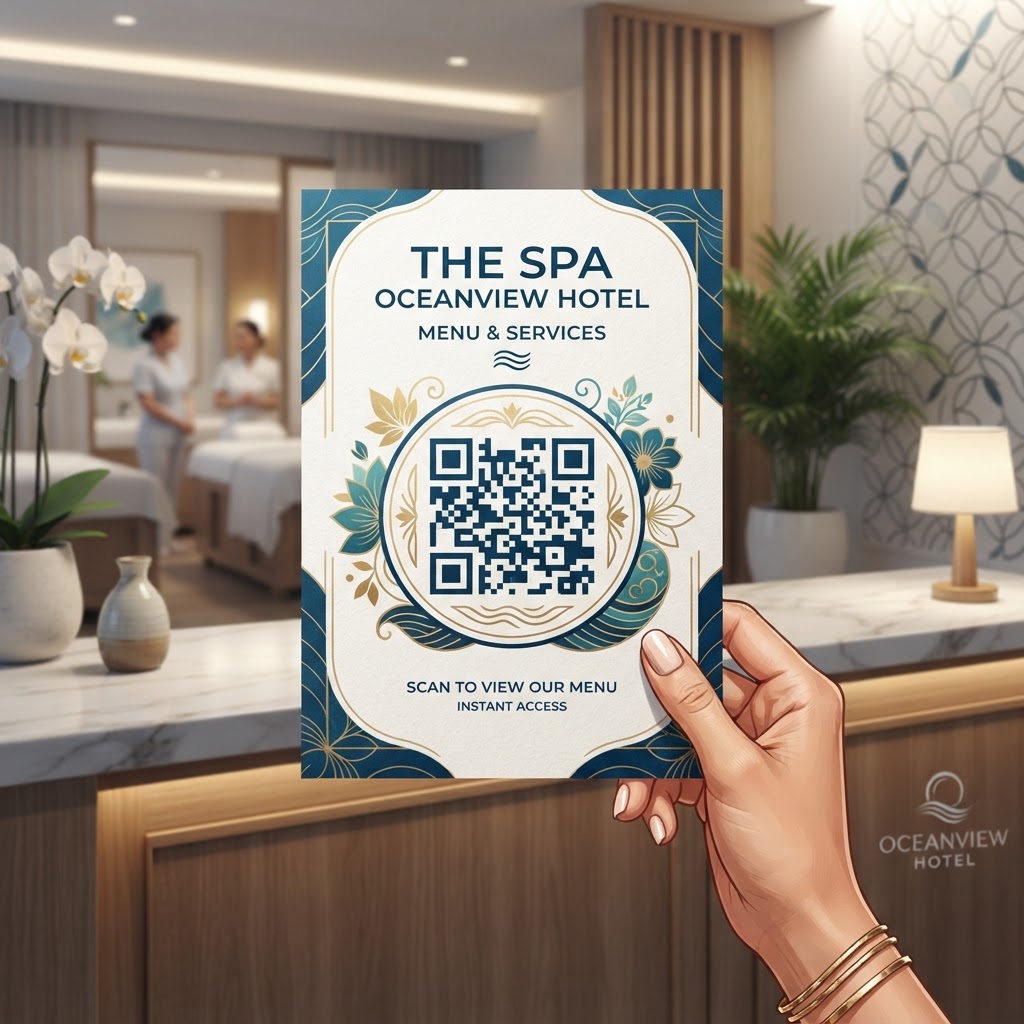
Why Integrating a QR Code for Hotel Spa Menus Matters in 2026
As we navigate through 2026, the intersection of technology and hospitality has reached a point where digital touchpoints are not just preferred but expected by international travelers. The traditional printed spa menu, while aesthetic, suffers from significant drawbacks that hinder the modern business model. When a hotel changes its treatment offerings, seasonal promotions, or therapist availability, printed menus instantly become obsolete, forcing staff to explain discrepancies to guests, which creates friction during the booking process. By deploying a QR code for your hotel spa menu, you eliminate these logistical bottlenecks entirely.
Furthermore, the digital-first mindset of today's guest means that they are already accustomed to using their smartphones to interact with their environment. Whether it is checking into their room via an app or ordering room service through a portal, guests now view the smartphone as their primary command center. When they reach the spa or see a display in their suite, they naturally look for a digital portal to scan. This transition to paperless menus signals to your guests that your hotel is forward-thinking and committed to sustainability, a value that resonates deeply with luxury demographics. Beyond the environmental impact, the ability to instantly update your menu via a URL-based QR code means you can pivot your marketing strategy daily. For example, if you notice a slower Tuesday afternoon, you can link the QR code to a specific flash-sale package that only exists for that timeframe. This level of dynamic control is simply impossible with printed collateral. Moreover, by utilizing the professional tools found at blueqrcode.com, your property can create high-resolution, branded QR codes that feel like a seamless extension of your hotel's overall visual identity, maintaining luxury standards while embracing the efficiency of modern technology.
How the Technology Behind Spa QR Codes Works
Understanding the underlying technology of a QR code is essential for any hotel manager looking to implement a digital menu strategy. At its core, a QR code is a machine-readable optical label that contains information related to a specific digital destination—in this case, your spa menu. When a guest scans the code using the camera on their smartphone, the software identifies the URL embedded within the pixel pattern and automatically redirects the device’s browser to your menu page. This process relies on a robust URL-based structure, which allows for maximum flexibility. Because most smartphones released in recent years have native QR scanning capabilities built directly into their camera software, there is virtually zero friction for the end user.
The technical brilliance of this system lies in the redirection mechanism. When you generate a QR code for your hotel spa menu, you are not just creating a static image; you are creating a gateway to a dynamic file. If your menu is hosted as a PDF on your hotel’s website or a dedicated landing page, the QR code acts as the key to that file. If you ever need to change the menu—for instance, to update a seasonal facial treatment or adjust the price of a massage—you can simply update the destination file on your web server. The QR code itself does not need to be reprinted or replaced, as the underlying URL remains constant. This is a massive improvement over static, old-school QR systems. Furthermore, security protocols in 2026 ensure that these redirects are encrypted via HTTPS, protecting the guest’s data and ensuring a safe browsing experience. By using a reputable generation service like blueqrcode.com, you can ensure that the link structure is optimized for mobile responsiveness, meaning the menu will automatically adjust its layout to fit screens ranging from small smartphones to larger tablets, providing a premium reading experience regardless of the hardware the guest is using.
Try it now: Generate a free QR Code For Hotel Spa Menu →
Step-by-Step Guide to Creating Your Menu QR Code with BlueQRCode
Creating a high-quality QR code for your hotel spa menu is a straightforward process that requires no specialized technical training. To get started, you will first need a digital version of your menu. Most hotels opt for a mobile-optimized landing page, though a high-quality, lightweight PDF is also common. Once your digital file is hosted on your web server or a cloud storage platform, ensure you have the correct URL copied to your clipboard. Next, navigate to blueqrcode.com to begin the generation process.
On the platform, select the URL-based QR code option. Paste your direct link into the designated field. This is where the magic happens; you are now linking your physical presence to your digital infrastructure. Once you have pasted the URL, explore the customization options available. It is highly recommended that you incorporate your hotel’s branding into the QR code design. You can adjust the colors to match your spa’s logo or color palette, ensuring that the code does not look like a jarring, black-and-white square but rather an integrated piece of your property’s marketing collateral. After finalizing the design, preview the code by scanning it with your own smartphone to ensure the redirect works perfectly and the page loads quickly on a standard cellular connection. Once satisfied, download the file in a high-resolution vector format, such as PNG or SVG. This allows you to print the code on everything from small table tents in hotel rooms to large-format displays in the spa waiting area without losing any image clarity. Finally, keep a secure record of the generated URL in your hotel’s management system, allowing your team to track usage if integrated with a link analytics tool. Following these simple, professional steps ensures that your spa menu is always accessible, branded, and ready for guests.
Best Practices for Deployment: Size, Placement, and Format
The success of a QR code for a hotel spa menu is entirely dependent on its visibility and the context in which it is presented. Simply placing a code on a desk is rarely enough to drive engagement. Instead, consider the guest journey. In the guest room, the most effective placement is on the bedside table or next to the room service menu. By placing the QR code here, you are capturing the guest when they are in a relaxed mindset and likely to consider self-care treatments. The size should be no smaller than two centimeters by two centimeters to ensure that modern smartphone cameras can focus on the code quickly and accurately from a reasonable distance.
Materiality also plays a role. If you are placing codes in a wet area, such as near the pool or the sauna entrance, ensure that the print material is water-resistant or encased in high-quality acrylic stands. This prevents the degradation of the ink and keeps the code scannable for longer periods. For formal spa reception areas, consider etching the QR code into a sleek, metallic stand or a high-quality wooden plaque that matches your spa’s interior design. This elevates the perception of the QR code from a utilitarian object to a piece of luxury design. Furthermore, always include a brief call to action next to the code. A simple phrase such as "Scan to View Our Seasonal Spa Treatments" or "Book Your Relaxing Experience Here" increases scan rates significantly. Guests are more likely to interact with a code if they know exactly what to expect on the other side. Consistency is key; use the same design and placement strategy across all touchpoints, from the elevator digital displays to the physical check-in cards handed out at the front desk, creating a unified digital spa brand experience.
100% Free — No signup required
Create your QR Code For Hotel Spa Menu in seconds
Create Free QR Code →Common Mistakes to Avoid When Using Spa QR Codes
Even with the best intentions, many hotels fall into common traps when implementing QR codes, which can inadvertently frustrate guests and decrease conversion rates. The most prevalent error is linking to a file that is too large or not mobile-optimized. If your spa menu is a massive 20MB high-resolution PDF that takes ten seconds to load on a lobby Wi-Fi network, most guests will abandon the attempt before they even see a single price. Always compress your files and ensure that the digital menu is coded for mobile screens so that guests do not have to pinch and zoom to read the treatments. Another mistake is forgetting to verify the destination link before printing thousands of collateral pieces. Always test your QR code every time you update your content, as broken links are the quickest way to erode guest trust and make your property appear technologically incompetent.
Additionally, avoid over-cluttering the display. While it might be tempting to include your hotel’s full history or a complex mission statement around the QR code, the guest is likely looking for one thing: the menu. Keep the surrounding signage clean, minimalist, and focused entirely on the utility of the scan. Another common oversight is failing to provide an alternative for guests without smartphones. While almost everyone has a device today, you should always have a few physical, printed copies of the menu available at the front desk or the spa reception, just in case a guest’s battery dies or they are uncomfortable with mobile technology. By avoiding these common pitfalls, you maintain the seamlessness of the guest experience while ensuring that your technology investment provides the high level of service your guests expect from a premium hospitality brand.
Concrete Use Cases by Industry and Sector
While the focus here is on hotel spas, the utility of a QR code for a service menu extends across various sectors within the broader hospitality and wellness industry. Consider a luxury boutique resort that offers specialized beachside wellness sessions. By placing a QR code on the beach umbrellas or on personalized guest kits, the resort can allow guests to book yoga classes or sunset massages directly from the sand, syncing these bookings with their internal property management software. This creates a hyper-personalized guest experience that feels effortless and exclusive.
Another excellent use case is for day spas that operate within high-traffic urban hotel environments. These spas often have a high turnover of walk-in clients who are looking for quick, rejuvenating services. By placing a large, visible QR code in the lobby elevator or near the gym entrance, these spas can effectively market their "Express Menu" directly to business travelers who have limited time but are looking for a high-impact service. Similarly, a destination wellness retreat can use QR codes as part of their room-in-room service, allowing guests to view nutritional information or special spa-infused amenity menus without having to call the front desk for information. Even in luxury gyms or country clubs that partner with hotel spas, a QR code allows for a cohesive cross-promotion strategy. By placing codes on fitness lockers or at the juice bar, you can seamlessly guide members to your spa menu, increasing cross-revenue opportunities. These examples show that when the QR code is used as a strategic tool rather than just a gimmick, it can significantly drive business growth and operational efficiency across the entire ecosystem of hospitality services.
Summary and Next Steps for Your Hotel Spa
In conclusion, the implementation of a QR code for your hotel spa menu is a fundamental step in modernizing your service offerings for the year 2026. By choosing to move away from static, inefficient paper menus and embracing the flexibility of digital portals, you are positioning your property as a leader in hospitality innovation. Not only does this shift improve the guest experience by providing instant access to information, but it also provides your staff with the agility to update services, pricing, and promotions without the recurring costs and delays associated with professional printing. The process, when managed correctly through reliable platforms like blueqrcode.com, is simple, professional, and highly effective. To move forward, the immediate next steps should be to audit your current menu collateral and identify the primary touchpoints where your guests interact with your spa marketing. Once identified, create a mobile-first digital version of your menu and use the tools available on our site to generate your custom QR code. Remember to prioritize high-quality design, ensuring that the code feels like a native part of your hotel’s brand aesthetic. Test your implementation rigorously, ensuring that all links load quickly and that the user interface is intuitive for every guest. Finally, train your staff to explain the convenience of the digital menu to guests upon arrival, turning the technology into a helpful conversation starter rather than just a barcode on a table. Start your digital transformation today, and watch how it simplifies your operations while delighting your guests at every interaction point during their stay.
Related QR Code Guides
Continue exploring practical QR code guides from blueqrcode.com:
- How to Make a QR Code for WiFi
- Blue QR Code vs Scanova Comparison
- Google Review QR Code for Real Estate Agent
No watermark · No expiry · Works on all phones
Your QR code is ready in under 30 seconds.
Generate Free QR Code →