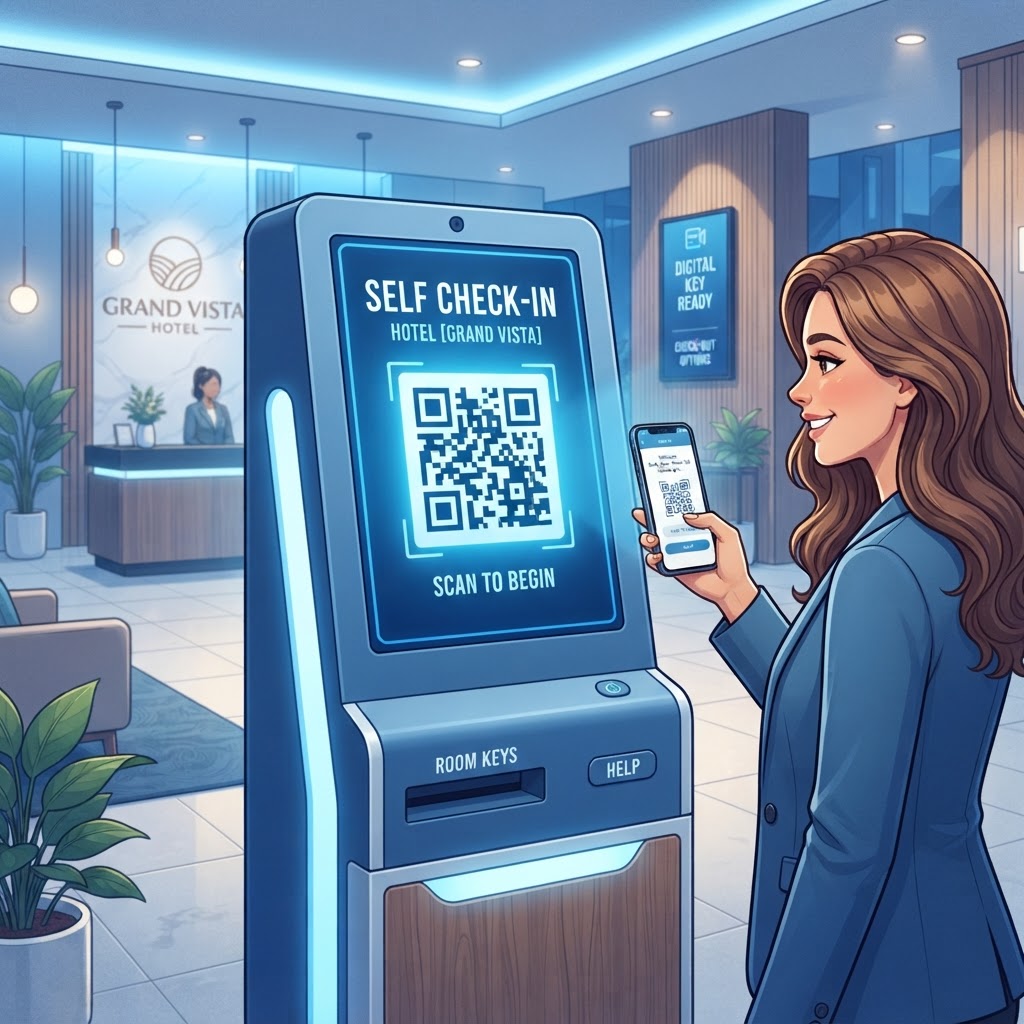
Why QR Code Self Check-In Matters in 2026
As we navigate through 2026, the hospitality industry has fully embraced digital transformation as a standard requirement rather than an optional luxury. The traditional model of standing in a physical queue at a reception desk is increasingly viewed by many businesses and frequent travelers as an outdated inconvenience. By integrating a QR code for self check-in, hotel owners provide a bridge between the physical property and the digital convenience guests have come to expect. This technology allows properties to decentralize the arrival process, reducing the burden on front-of-house staff while giving guests the autonomy to settle in at their own pace.
Furthermore, the ubiquity of mobile technology means that virtually every visitor has the necessary hardware to interact with these codes immediately upon entry. When a hotel utilizes a clear, well-placed QR code in the lobby, they are effectively offering a high-touch experience with low-friction interaction. Guests can arrive, scan, and proceed to their designated areas without waiting for manual document processing. This shift is not merely about speed; it is about providing a professional, modern aesthetic that tells the guest their time and convenience are valued. As competition in the lodging sector intensifies, those who adopt these simple, effective technological solutions distinguish themselves as forward-thinking. Whether you are managing a large hotel chain or a boutique property, the ability to automate entry processes through simple, static QR codes provided by platforms like Free QR Code Generator No Sign Up No Watermark ensures that your service remains accessible and guest-centric around the clock.
How It Works Technically
From a technical perspective, a QR code for self check-in functions as a physical gateway to a digital URL. Unlike complex software integrations that require proprietary apps, a static QR code generated on blueqrcode.com acts as a direct link to the specific digital destination where your self-service process resides. When a guest scans the code using their mobile device camera, the phone automatically interprets the pattern within the QR code and navigates the browser to the destination URL specified during creation. This process is universal and works across all major mobile operating systems without requiring any specialized software installation or complicated configuration from the guest side.
The technical robustness of this system relies on the reliability of the destination link you choose. Whether you are pointing the code to a secure web form, a room-specific check-in landing page, or a digital document containing arrival instructions, the QR code acts as the silent mediator between the physical sign and the digital portal. By using static QR codes, you ensure that the connection is stable and consistent for every scan. The technical requirement for success is merely ensuring your landing page is mobile-optimized and renders correctly on smaller screens. Because most smartphones are equipped with native QR scanning capabilities in their primary camera application, the user experience is virtually instantaneous. This eliminates the technical barrier of entry that often plagues more complex software-as-a-service platforms, allowing your hotel to maintain a lightweight, highly functional check-in ecosystem that remains operational regardless of your internal software limitations.
Step-by-Step Guide Using BlueQRCode.com
Creating a professional QR code for your hotel operations is an straightforward process when utilizing the tools at blueqrcode.com. To begin, first define the exact digital destination for your guests, such as your hotel's official registration form or a mobile-friendly welcome guide. Once you have your URL ready, navigate to the blueqrcode.com website and select the 'URL' option from the main menu. This option allows you to input your destination link directly into the generator. After entering your address, the system provides a clean, clear, and high-quality image of the QR code.
The advantage of using this platform lies in the simplicity and reliability of the output. You should ensure that your URL is correct before generating, as static codes are permanent. Once the code is rendered, you can download the image file—which is suitable for printing—directly to your computer. Consider exploring our other resources, such as the QR Code Placement Best Practices guide, to understand how to best prepare your graphics for high-quality printing. After you have the file, you can integrate it into your signage, welcome brochures, or lobby displays. Because you are using a static QR code, you never have to worry about the link expiring or the functionality breaking; it remains a consistent, reliable access point for every new guest who enters your property. For further information on how these tools compare to other market options, you may find the QR Code Monkey vs Blue QR Code comparison useful for validating your choice of generator.
Best Practices for Deployment
Deploying a QR code effectively within a hotel environment requires careful consideration of both physical and visual placement. A QR code is only useful if it is visible, accessible, and inviting to the guest. Start by placing your codes at eye level near the entrance or reception area where guests naturally gravitate upon arrival. The size of the print is critical; a code that is too small can be difficult for a smartphone to focus on, while one that is too large might distract from the property's decor. A standard 2x2 inch square is usually sufficient for lobby displays, ensuring that it remains scannable from a reasonable distance while maintaining a professional appearance.
Lighting also plays a major role in the success of your self check-in initiative. Avoid placing QR codes behind glass or in areas with direct, harsh glare that could interfere with the scanner's ability to read the code pattern. Furthermore, contrast is essential; ensure that the QR code is printed with dark ink on a light, non-reflective background to maximize readability for all mobile camera sensors. Beyond the physical placement, contextual signage is vital. Include a short, clear call-to-action near the code, such as 'Scan here to check in' or 'Complete your registration here.' This instructional text serves as the bridge between the physical environment and the digital tool. By following these professional presentation standards, you ensure that your guests feel comfortable and confident using the technology provided, turning a simple task into a sophisticated element of your property's overall service design.
100% Free — No signup required
Create your QR Code for Self Check-in Hotels in seconds
Create Free QR Code →Common Mistakes to Avoid
Even with a simple technology like a QR code, there are common mistakes that can hinder the effectiveness of your check-in system. The most frequent error is neglecting the mobile-responsiveness of the destination URL. If a guest scans a code and is directed to a website that requires horizontal scrolling or has tiny, unreadable text, they will likely abandon the process entirely. Always test your landing page on multiple device types before deploying the QR code. Another mistake is failing to provide a physical backup or staff assistance for those who may be uncomfortable with or unable to use digital solutions. Technology should augment your human service, not replace it entirely, and guests must always feel they have a path forward if the digital system proves difficult for them personally.
Additionally, avoid cluttering your signage with too many QR codes or unnecessary design elements. A sign containing five different codes—one for Wi-Fi, one for check-in, one for local dining, and so on—can overwhelm the visitor. Prioritize the most important actions for the specific location of the sign. If the code is at the front entrance, its primary purpose should be check-in. Finally, avoid using low-resolution image files. Always download the highest quality version available from the generator to prevent distortion when printing on larger signage or vinyl. By maintaining clean design, logical placement, and a primary focus on the guest's specific needs at the moment of scanning, you avoid the common pitfalls that often lead to low adoption rates in hospitality tech rollouts.
Concrete Use Cases by Industry Sector
While the focus here is on hotels, the utility of a self-service QR code extends across various sectors of the hospitality and travel industry. For boutique guesthouses that operate without a 24-hour reception desk, a QR code for check-in is not just a benefit; it is a vital operational necessity. Guests can arrive at midnight, scan the code at the entrance, receive their room access instructions, and bypass the need for an overnight staff member to be physically present. This allows smaller properties to offer high-quality, professional service around the clock without the associated labor costs of keeping the lobby fully staffed.
Another significant use case is in the vacation rental and apartment-hotel market. Property managers can place these codes inside a lockbox or on a community entrance door, ensuring that guests get immediate, consistent access to their specific arrival instructions without needing a concierge. This also works well for conference and event hotels, where large groups arrive simultaneously. By providing multiple stations with self check-in QR codes, a hotel can process hundreds of arrivals in a fraction of the time it would take to manage a single long check-in queue. Finally, resorts with extensive facilities can use these codes to automate not just the check-in, but also the access to specific activity schedules or amenity booking platforms. By directing guests to a mobile-friendly itinerary through a simple scan, the property enhances the overall guest journey and ensures that information is always accessible and up-to-date without needing to constantly print and reprint paper brochures.
Summary and Next Steps
In summary, implementing a QR code for self check-in is a foundational step toward creating a more efficient, modern, and guest-friendly hotel environment. By moving away from manual check-in processes, you empower your guests, reduce operational bottlenecks, and elevate the perceived value of your property's service. The technical barrier is non-existent, and the implementation process is entirely free and straightforward when you utilize reliable tools like blueqrcode.com. The key to long-term success lies in consistent placement, clear instructions, and a commitment to providing a seamless mobile experience for every traveler who visits your hotel.
As your next step, begin by mapping out your current arrival process. Identify where the biggest bottlenecks occur and where digital intervention could provide the most immediate relief. Once you have identified these touchpoints, prepare your destination URLs, ensuring that they are optimized for mobile consumption and provide clear, concise value to the user. Visit blueqrcode.com today to generate your initial batch of codes and begin the transition toward a more streamlined, autonomous, and professional check-in experience. Remember to keep your physical signage clean and accessible, and always offer a secondary path for guests who might require assistance. The future of hospitality is not just about human interaction; it is about providing the tools that make human interaction more efficient and meaningful. Start your journey today by integrating these simple yet powerful digital assets into your property's daily operations.
No watermark · No expiry · Works on all phones
Your QR code is ready in under 30 seconds.
Generate Free QR Code →