Why This Matters in 2026
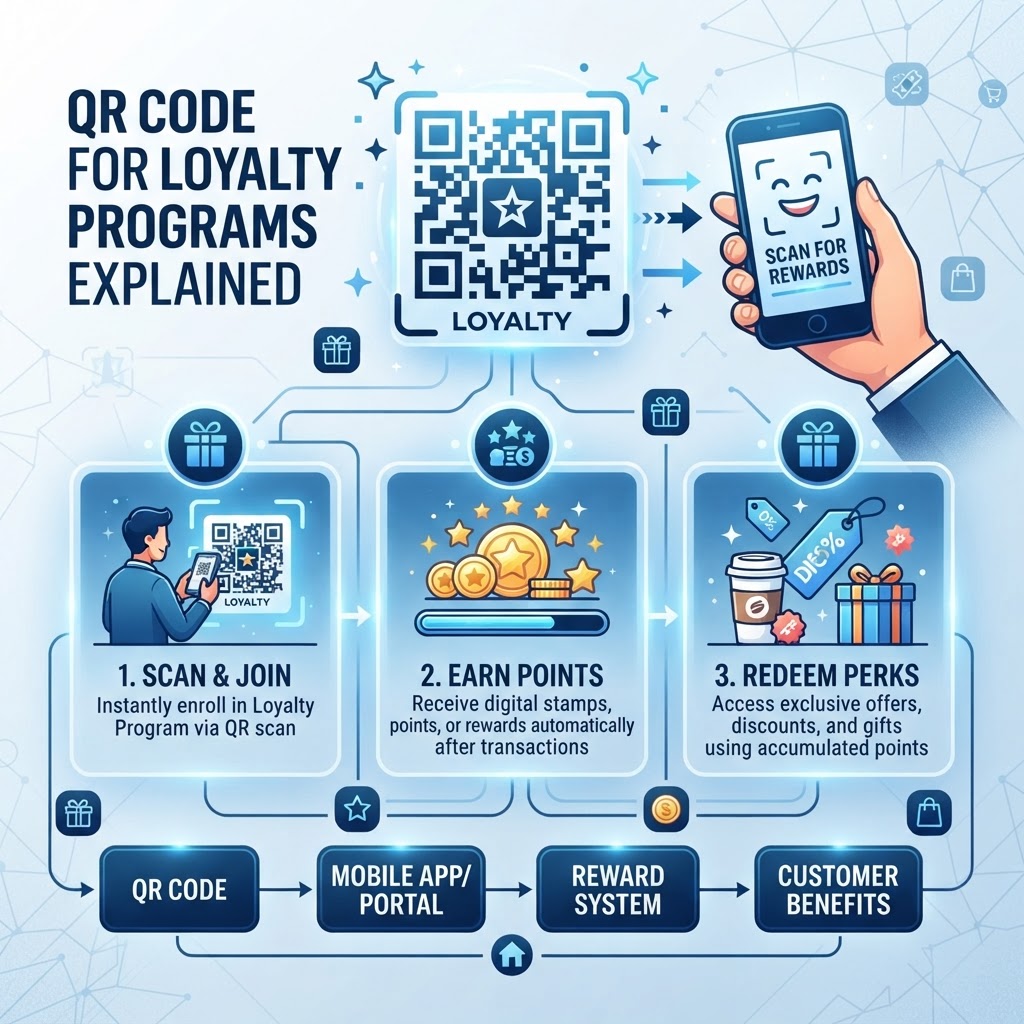
In 2026, the retail environment is defined by speed and user convenience. Consumers are increasingly wary of complex processes, and any barrier to entry—such as requiring a customer to type in a long URL—can lead to abandonment. Implementing a QR code for loyalty programs solves this issue by converting a physical location or product label into a digital doorway. When a customer walks into a store or holds a product, they are already primed for engagement. A QR code acts as the most immediate call-to-action available, enabling them to scan and enter a loyalty environment instantly.
Furthermore, businesses must prioritize accessible technology. Because most smartphones have integrated QR scanning capabilities, no external application is required. This universal accessibility ensures that a diverse customer base, regardless of their technological proficiency, can interact with your loyalty initiatives. Whether you are running a small cafe or a large retail chain, the psychological impact of being able to engage with a brand simply by aiming a camera is profound. It turns a passive observer into an active member of your community. Using tools like those found at Free QR Code Generator No Sign Up No Watermark allows for a cost-effective entry point into this space.
Ultimately, loyalty programs are about building lasting relationships. By reducing the effort required to join or access a program, you demonstrate that you respect the customer's time. A well-placed QR code signals that your business is modern, organized, and focused on the user experience, which builds trust and encourages repeat visits over the long term.
How It Works Technically
At its core, a static QR code is a two-dimensional matrix barcode that encodes alphanumeric information. When you generate a QR code for a loyalty program, you are essentially encoding a specific destination URL into a visual pattern of black and white squares. When a user scans the code, their smartphone camera interprets this visual pattern and translates it back into the original URL. The phone then triggers the device's web browser to navigate to that specific address, which should be the landing page for your loyalty program registration or member portal.
This process is entirely dependent on the quality of the destination page. Since static QR codes are permanent, the URL encoded within them must remain stable. This means that if you link your code to a specific sign-up form or a static webpage displaying current point balances, that page must remain active. The technical simplicity is also a major advantage: because static codes do not require a redirecting server or a secondary software layer, the loading speed is governed entirely by your website's performance. This provides a clean, fast experience for the end-user.
To ensure success, your technical setup must be mobile-first. Because the vast majority of scans originate from mobile devices, the landing page must be optimized for smaller screens. The transition from the physical scan to the digital destination should be instantaneous, avoiding heavy media or complex scripts that might hinder connectivity. By maintaining a lightweight infrastructure, you ensure that the QR code functions reliably in various lighting conditions and environments, provided the design remains sharp and readable for the sensor.
Step-by-Step Guide Using BlueQRCode.com
Using blueqrcode.com to support your loyalty program is a straightforward process designed for maximum efficiency. First, determine the exact URL you wish to link to. This might be a sign-up page for your newsletter, a digital version of a punch card, or a detailed explanation of your reward tiers. Once your destination URL is prepared, visit the platform and select the appropriate option to begin generating your code. The interface allows you to input your URL directly, ensuring that the encoding process is accurate and error-free.
After inputting your URL, consider the visual requirements of your brand. You can customize the look of the QR code, perhaps by adjusting the foreground and background colors to align with your brand identity. It is crucial, however, to maintain high contrast. Once you are satisfied with the design, you can download the code as a high-resolution image file. This file is ready for placement on printed marketing materials, window decals, or product packaging. If you need inspiration on how to integrate these codes into other areas of your business, check out our guide on QR Code Placement Best Practices.
After generating the code, always perform a series of tests. Use different types of mobile devices—both Android and iOS—to ensure the scan is successful under various conditions. Place the generated image on the final print medium and test the scan again from the actual distance a customer would be standing. This step-by-step verification process at the point of production prevents potential errors and ensures a smooth customer experience when you launch your loyalty campaign to the public.
Best Practices for Deployment
The success of your QR code loyalty program depends heavily on how the code is deployed in the physical world. Size is a significant factor; a code that is too small cannot be picked up by a standard camera lens, while one that is too large may overwhelm the visual space of your store signage. As a general rule of thumb, ensure the QR code is at least 2 inches by 2 inches in size for indoor signage, and significantly larger for outdoor or large-scale displays. Always keep the immediate area around the code clear of clutter, text, or graphics that could interfere with the scanner's ability to isolate the matrix.
Placement is equally vital. The QR code should be positioned at eye level, where a person can comfortably hold their phone to scan it. In a retail setting, placing a code near the checkout counter is highly effective, as the customer is already engaged with the transaction. Alternatively, placing it on the back of a product or on a physical receipt can encourage post-purchase engagement. Ensure the surface is flat and non-reflective, as glare from sunlight or overhead lighting can obscure the code and cause scanning failures.
Finally, provide context. A lone QR code may be ignored or cause confusion. Add a clear call-to-action (CTA) next to the code, such as "Scan to Join Our Rewards Program" or "Scan to Claim Your Points." This text informs the customer about the value proposition before they scan, increasing the likelihood of interaction. By treating the QR code as a component of your overall design rather than an afterthought, you integrate it into the customer experience in a natural and rewarding way.
100% Free — No signup required
Create your QR Code for Loyalty Programs Explained in seconds
Create Free QR Code →Common Mistakes to Avoid
One of the most common pitfalls when implementing a QR code for loyalty programs is using an incorrect or broken destination URL. Because a static QR code cannot be changed once generated, you must verify that the link is permanent. If your website undergoes a migration or a URL structure change, your printed codes will become useless. Another major mistake is over-complicating the destination. If the scanned page requires a long registration form with dozens of fields, customers will abandon the process immediately. Keep the barrier to entry as low as possible by asking only for essential information, such as an email address or a phone number.
Another error is failing to test the code on different surfaces. For example, a code printed on a shiny, metallic surface may reflect light in a way that blinds the camera sensor. Similarly, printing a code with low contrast, such as light gray on white, will make it impossible for most cameras to decode the information. It is also a mistake to print the code on a surface that is likely to become wrinkled or damaged, as any distortion in the squares can prevent the scanner from reading the data. For more insight into common errors, our comparison in Blue QR Code vs Scanova Comparison highlights how choosing the right generation tools can prevent some of these technical hurdles.
Lastly, businesses often fail to provide a "Plan B." If for some reason the QR code is not working, or if a customer does not have a smartphone handy, ensure there is a clear text-based URL or a staff member nearby who can assist. A loyalty program should be an inclusive experience; avoid making the QR code the only way to join.
Concrete Use Cases by Industry
The application of QR codes for loyalty programs varies significantly across industries, each tailored to the specific habits of their customer base. In the restaurant sector, a business might place a QR code on the menu or near the exit. When a customer scans the code, they are taken to a sign-up page where they can receive a discount on their next visit. This encourages repeat business while also allowing the restaurant to build a customer database for future marketing initiatives. It is a subtle nudge that connects the dining experience to a longer-term loyalty relationship.
In the retail clothing industry, QR codes are frequently placed on hangtags or near the fitting rooms. A shopper scanning the tag could be redirected to a loyalty page that offers "insider" access to early sale notifications or exclusive style guides. This adds value to the shopping process, turning a simple purchase into a deeper engagement with the brand. By providing a digital incentive for joining the program, the retailer creates a stronger reason for the customer to return to the store or website in the future.
For service-based businesses, such as automotive repair shops or pet care facilities, QR codes can be used to track service history and offer loyalty points. A customer scanning a code provided at the front desk could quickly check their reward status or book their next appointment. This provides genuine utility to the customer, making the loyalty program feel like a helpful service rather than just a marketing tactic. Across these diverse sectors, the common theme is providing a direct, simplified path to value for the customer.
Summary and Next Steps
Implementing a QR code for loyalty programs is a powerful, low-cost strategy for driving customer engagement in 2026. By removing the friction of manual data entry and leveraging the ubiquitous smartphone, businesses can capture interest at the most opportune moments. Whether you are integrating codes into your physical signage, product packaging, or promotional flyers, the goal remains the same: to create a seamless connection between your physical brand presence and your digital loyalty ecosystem. Using the resources provided by blueqrcode.com, you can generate the assets you need to launch your program with confidence.
As you move forward, the key to success lies in consistency and clarity. Ensure your codes are high-quality, properly placed, and supported by a clear call-to-action. Remember to test your implementation across multiple devices and environments to guarantee a reliable experience for every customer. A loyalty program that is easy to join is one that customers are more likely to participate in, ultimately fostering the repeat business and brand affinity that define success in today's competitive market.
If you are ready to start, take a moment to evaluate your current customer touchpoints. Identify where you want to deepen your relationship with your audience and begin your planning phase. By focusing on utility, simplicity, and design, you can build a loyalty program that resonates with your customers and strengthens your business for the years ahead. The tools are available, the strategy is proven, and your next loyal customer is just one scan away.
No watermark · No expiry · Works on all phones
Your QR code is ready in under 30 seconds.
Generate Free QR Code →