Why Integrating QR Codes for Museum Exhibits Matters in 2026
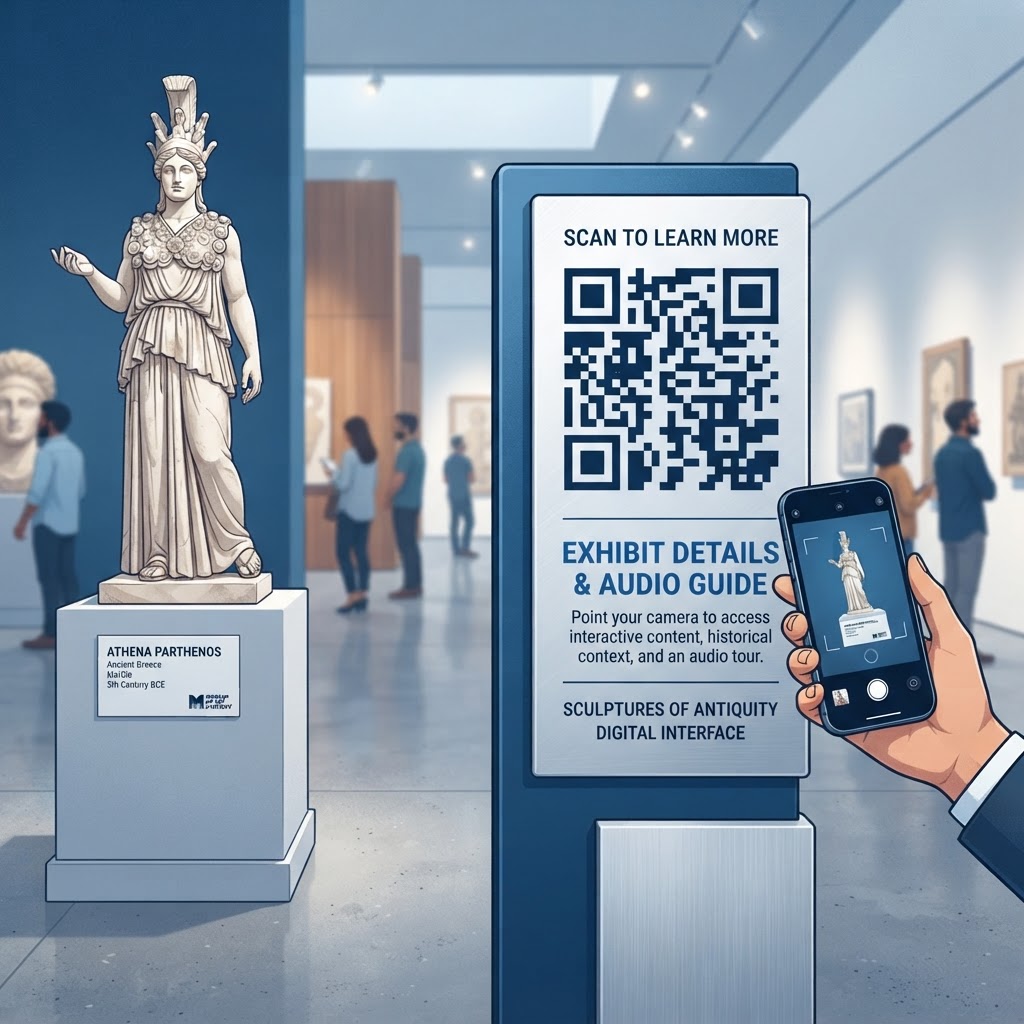
As we navigate through 2026, the primary goal for any museum is to provide a rich, educational experience that remains accessible to a wide audience. Most smartphones today come pre-equipped with native camera technology capable of reading a QR code, which removes the need for visitors to download cumbersome applications or navigate proprietary software systems. This ease of access is paramount for maintaining the flow of traffic within a gallery space. Visitors expect immediate access to information, whether they are reading about a sculpture's provenance or listening to an audio guide. By placing a clearly labeled QR code next to an exhibit, museums can provide a high-fidelity experience that respects the visitor's limited time while allowing those interested in a deeper dive to engage immediately.
Furthermore, the shift toward paperless environments makes QR codes an ideal solution for museums aiming to reduce their physical overhead. Traditional printed placards are often restricted by size, meaning curators must carefully select only the most critical information. A QR code expands this limit to almost infinite proportions, allowing the institution to host detailed text, high-resolution imagery, or even QR Code for Museum Audio Guide content on the linked URL destination. This approach also allows for a cleaner visual aesthetic within the exhibit area, as the physical signage can remain uncluttered, letting the artwork or artifact take center stage. When visitors choose to interact with the code, they are actively opting into an experience that provides exactly the amount of depth they desire. This personalization of the educational journey is a cornerstone of modern museum philosophy, ensuring that both casual tourists and academic researchers find satisfaction in their visit.
How QR Code Technology Works for Static Displays
At its core, a QR code is a machine-readable optical label that contains information in a two-dimensional format. When a museum generates a static QR code using a platform like blueqrcode.com, the system encodes the specific URL of a webpage directly into the pixels of the generated square image. This creates a permanent digital destination that is tied to the physical display. Because these codes are static, the information contained within the code itself does not change; it is a direct pointer to a specific resource hosted on your museum’s own web server or a document hosting platform. This stability is highly beneficial for museum infrastructure, as it guarantees that the code will function exactly as expected every single time a guest scans it, without the risk of intermediary servers or service outages interfering with the guest experience.
From a technical standpoint, the reliability of a static QR code is unmatched. Because it operates on a direct mapping of code pixels to a URL string, there are no dependencies on external tracking or routing services. This ensures that the user experience is lightning-fast, which is critical in an environment where visitors may be standing in crowded galleries. When a device scans the code, it identifies the embedded string, translates it, and prompts the user's mobile browser to fetch the content directly from the designated URL. This seamless transition is vital for maintaining engagement. If a visitor encounters a broken link or a sluggish redirect, they are likely to abandon the digital component of the exhibit entirely. By utilizing high-quality, high-contrast static codes, museums ensure that the hardware interaction remains invisible, allowing the focus to remain firmly on the content provided to the visitor.
Try it now: Generate a free QR Code for Museum Exhibits →
Step-by-Step Guide to Generating Codes with blueqrcode.com
Creating a functional QR code for your museum's needs is a straightforward process that requires no specialized technical expertise. First, prepare your digital content. This might be a specific webpage containing historical context, a landing page for an upcoming lecture series, or a digital resource. You should ensure that these pages are fully optimized for mobile devices, as this is how the majority of your visitors will access the content. Once your content is live and the URL is finalized, visit blueqrcode.com to begin the generation process. Enter the URL into the designated field. The platform will automatically process the string and generate a clean, clear, and high-quality square image representation of your link.
After the code is generated, the platform provides options for downloading the image file. It is recommended to choose a high-resolution format, such as a PNG or SVG, which ensures that the code maintains its integrity when printed on various materials, from small gallery labels to larger vinyl banners. Once you have saved your file, it is essential to perform a validation test. Print the code at the intended size and use multiple different mobile devices—including both iOS and Android platforms—to scan it. Verify that the browser opens the correct page instantly and that the content displays properly on a mobile screen. If you find that you need more assistance with the logistics of placement or design, check our resource on QR Code Placement Best Practices to ensure your setup is as effective as possible. Always keep a backup of your generated files and the associated links in a project folder so you can quickly re-print them if physical materials are damaged during a gallery refresh.
Best Practices for Deployment in Gallery Spaces
The success of a QR code in a museum setting is largely determined by its physical placement and the way it is introduced to the visitor. A code that is tucked away or placed in a poorly lit corner will naturally have low engagement rates. First, consider the accessibility of the code; it should be placed at eye level or within easy reach of a standing visitor, typically between 36 and 48 inches from the floor. The size of the print is equally critical. For individual placards, a code size of at least 1.5 inches by 1.5 inches is generally recommended to ensure that even users with older smartphone cameras can capture the data efficiently. Ensure there is adequate lighting so that the contrast between the dark squares and the light background is sharp and easy for a camera lens to resolve.
Visual context is another pillar of successful deployment. Do not simply print a naked QR code; accompany it with clear instructions or an icon. Phrases like "Scan for audio guide" or "Learn more about this artist" provide immediate value and context to the visitor. If the QR code leads to a multi-page resource, ensure that the landing page includes clear navigation to prevent the visitor from getting lost in a digital maze. Additionally, consider the materials used for the physical display. Avoid glossy lamination that creates glare under gallery spotlights, as this will prevent the camera from focusing on the code. Use matte-finish prints or high-quality matte stickers. Finally, remember that the goal is to enhance the physical exhibit, not replace it. The QR code should be secondary to the artwork. By maintaining a balance between physical signage and digital add-ons, you provide a curated experience that invites interaction without overwhelming the gallery's atmosphere.
100% Free — No signup required
Create your QR Code for Museum Exhibits in seconds
Create Free QR Code →Common Mistakes to Avoid in Exhibition Signage
Even with the best intentions, museums can inadvertently sabotage their own digital initiatives by ignoring simple implementation rules. One of the most frequent errors is the failure to optimize the landing page for mobile users. If a visitor scans a code only to be greeted by a desktop-version website that requires them to pinch, zoom, and scroll horizontally, they will likely close the tab within seconds. Every link accessed via a museum QR code must be responsive, fast-loading, and designed specifically for vertical screens. Another major pitfall is providing a URL that is unstable or likely to be moved in the future. Because static QR codes cannot be edited, if the URL changes, the code becomes a dead link that requires physical replacement. Ensure that your landing pages are hosted on stable, long-term URLs that will not change as the website architecture evolves.
Furthermore, avoid the temptation to group too many QR codes in one location. If a visitor sees three or four different codes on a single wall, they may feel overwhelmed and ignore them altogether. Choose one clear call to action per object or per exhibit section. Another common mistake is neglecting to audit the physical signage. Over time, prints can fade, smudge, or become obstructed by new displays. A quarterly check of all QR codes in the museum is a necessary maintenance task to ensure every guest receives the intended experience. Finally, do not use low-resolution image files. If you enlarge a small, blurry image of a QR code, the camera may be unable to parse the data squares. Always download the highest resolution available from the generator to ensure the print quality meets the requirements for a crisp, scannable image on any surface, including brochures or wall vinyls.
Concrete Use Cases for Museum Exhibits
The utility of QR codes in museums is broad and adaptable to various sectors of the cultural institution. In fine arts galleries, codes are effectively used to provide provenance details or artist biographies that are too voluminous for a traditional caption card. By scanning the code, a visitor can read a full history of the work, including previous owners and restoration history, while keeping the main display card focused on the title and medium. For natural history museums, QR codes serve as portals to multimedia experiences. A user can scan a code near a fossil exhibit to watch a short, silent video demonstrating the creature's movement or habitat reconstruction. This type of visual storytelling is far more engaging than static text alone and helps visitors visualize abstract concepts that are otherwise difficult to represent in a display case.
Educational institutions and historical sites also benefit greatly from this technology. For outdoor historical markers or walking tours, a QR code can link to an audio narrative or a map that helps visitors locate the next point of interest in a sequence. This provides a self-guided tour experience without the need for expensive hardware rentals or headsets. Additionally, children's museums can use codes to provide scavenger hunt clues, where each scan unlocks a new question about the current exhibit, fostering active engagement and exploration. In modern design or science centers, linking to interactive simulations or digital interactive quizzes can turn a passive observer into an active participant. These diverse use cases demonstrate that the power of a QR code lies not just in the link itself, but in the variety of media and experiences it can deliver to the curious visitor.
Summary and Next Steps for Your Institution
The adoption of QR codes for museum exhibits is a logical evolution in the quest to provide a more inclusive and educational visitor experience. By utilizing simple, static codes, museums can empower their patrons to discover the stories behind artifacts at their own pace, using devices they already carry. The ability to provide high-quality digital content without cluttering physical spaces allows institutions to remain focused on preservation and aesthetics while simultaneously embracing modern communication methods. The process is cost-effective, simple to implement, and offers a reliable way to connect with a diverse audience that ranges from the casual visitor to the serious student. The key to success lies in consistent maintenance, thoughtful design, and a focus on high-quality mobile experiences.
As you begin your implementation, start with a pilot project in one gallery or for a single temporary exhibit. This allows your team to test the workflow, gather feedback from staff and visitors, and refine the digital content before a wider rollout. Use the tools provided at blueqrcode.com to generate your initial batch of codes and observe how they perform in your unique environment. Remember that this is a sustainable strategy; static codes ensure that your setup is robust, easy to manage, and free from the complexities of software-as-a-service dependencies. By focusing on the quality of your digital content and the clarity of your instructions, you can significantly elevate the level of interaction in your museum. Begin your digital transformation today, and help your visitors experience the richness of your exhibits in a completely new and exciting way.
Related QR Code Guides
Continue exploring practical QR code guides from blueqrcode.com:
No watermark · No expiry · Works on all phones
Your QR code is ready in under 30 seconds.
Generate Free QR Code →