1. Why this matters in 2026
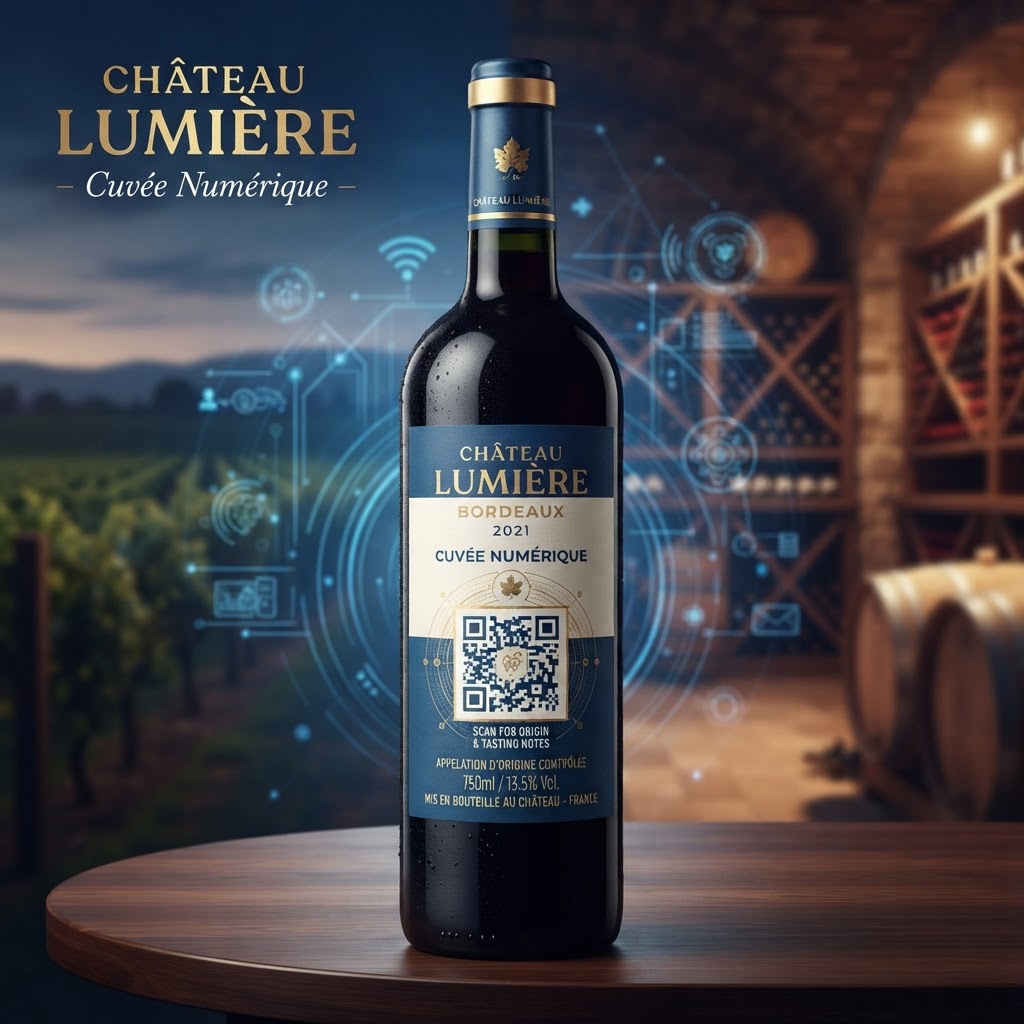
As we advance through 2026, the wine industry faces a unique challenge: how to communicate complex product details within the extremely limited real estate of a standard physical label. Most smartphones now come equipped with native camera-based QR scanners, meaning that friction is virtually non-existent for the consumer. When a customer picks up a bottle in a shop or at a restaurant, their immediate need for context—such as specific vineyard altitude, fermentation techniques, or the identity of the lead winemaker—can be satisfied in seconds. Using a QR code on a wine label effectively transforms a static shelf product into an interactive, digital-first experience that engages the modern, tech-savvy drinker.
Furthermore, this digital integration helps manage the increasing demand for supply chain transparency. Rather than printing lengthy, microscopic text that detracts from the bottle’s visual elegance, wineries can opt for a clean, minimalist design while relegating the detailed specifications to a linked URL. This design choice is not merely aesthetic; it is highly functional for importers and retailers who need to provide multilingual information or specific handling instructions to diverse demographics. By adopting these methods, wineries respect the artistic integrity of their label while providing the precise information required by discerning aficionados.
The ubiquity of these codes also levels the playing field for boutique vineyards that may not have the budget for complex augmented reality apps but still wish to provide a premium user experience. When you learn how to make a QR code for a product, you effectively enable a deeper conversation between the grower and the drinker. In 2026, transparency is not just an added value; it is an expectation. A QR code on a wine label serves as a silent, digital ambassador that works tirelessly, ensuring that whenever a bottle is opened, the history, care, and passion poured into that vintage are readily available to enhance the final drinking experience.
2. How it works technically
At its core, a QR code functions as a two-dimensional matrix barcode that stores data, which is then translated by a mobile device into an action, most commonly navigating to a specific website address. When you place a QR code on a wine label, you are essentially embedding a string of text—the URL—into a visual pattern of modules. The technical beauty of this system lies in its ability to remain readable even when partially obscured or printed on curved, textured surfaces. Because modern scanners are highly sophisticated, they can interpret this pattern in varied lighting conditions, making it reliable for retail environments like dim restaurants or brightly lit supermarket aisles.
The process of reading the code involves the camera sensor identifying the three large square corners, which define the boundary and orientation of the code. Once these alignment points are established, the software decodes the underlying data modules. Since most smartphones feature native QR code integration, there is no need for the end-user to install specialized applications, reducing the barrier to entry significantly. For the winery, the process involves generating an image file that represents the destination URL. This static image is then integrated into the label design files during the printing process. Because the code is static, it remains a permanent fixture of that specific label run, ensuring that the destination remains unchanged as long as the linked website is active.
Try it now: Generate a free QR Code on Wine Label →
Understanding these technical fundamentals is crucial when designing your labels. The contrast between the code and the background is the most critical factor for successful scanning. High-contrast combinations, such as dark ink on a light label, are essential for readability. Furthermore, the size of the QR code must be balanced against the resolution of the print process to avoid pixelation or bleeding of the modules, which can lead to scan errors. By mastering these technical constraints, you ensure a consistent and reliable experience for every customer who attempts to engage with your digital content.
3. Step-by-step guide using blueqrcode.com
Creating a professional QR code for your wine label using blueqrcode.com is a straightforward process that focuses on reliability and simplicity. The platform is designed to produce high-quality, static QR codes that serve as permanent gateways to your chosen content. First, gather the URL where you want to send your customers. This might be a page on your website dedicated to the specific vineyard, a detailed description of the tasting notes for that vintage, or even a video showcasing the harvest process. Ensure this URL is live and tested before you begin the generation process to prevent broken links on your finished physical products.
Navigate to blueqrcode.com and select the option to generate a standard URL-based code. Copy your desired destination URL and paste it into the provided input field. The generator will then process this information and produce a preview of the QR code. Take this time to verify that the code scans correctly using a standard smartphone camera. Once satisfied, download the generated image file. For label printing, it is highly recommended to download the file in a high-resolution format, such as an SVG or a high-dpi PNG, to ensure that the edges remain sharp during the printing stage, preventing any blurriness that could impede the scanner's ability to recognize the modules.
After downloading, incorporate the code into your graphic design software. Place it in a location where it will not be folded, crumpled, or obscured by excessive condensation or textured finishes on the bottle. If you are new to the process, checking out resources like our QR code placement best practices guide can offer deeper insights into ideal positioning. By following this systematic approach—testing the URL, selecting a high-quality download, and placing it strategically—you ensure that your digital integration is as robust and premium as the wine inside the bottle, providing a seamless experience from the first scan to the final sip.
4. Best practices for deployment (size, placement, format)
Deployment of a QR code on a wine label requires careful consideration of both physical and environmental factors. Size is perhaps the most significant constraint; if the code is too small, the scanner cannot resolve individual modules, leading to a failed attempt. Conversely, if it is too large, it may dominate the design. A generally accepted rule is that the QR code should be at least 20mm by 20mm, though this can vary depending on the complexity of the code and the printing resolution. Testing your print proof under realistic conditions—like a cold bottle taken out of a refrigerator—is essential because moisture and light refraction can affect scan performance.
Placement is equally critical. Avoid placing the code over seams, folds, or areas where the bottle glass is heavily textured or embossed, as this distorts the geometry of the code and prevents the scanner from correctly interpreting the alignment patterns. The ideal spot is on a flat section of the back label or a dedicated tab on the neck of the bottle where the surface is consistently smooth. Ensure that the code is printed with high-contrast ink; while black on white is the industry standard, other high-contrast pairs such as dark blue on cream can work, provided there is enough distinction for the camera to differentiate the modules from the background.
Finally, consider the material of the label itself. Some luxury wine labels use metallic foils or glossy laminates that can create glare. Glare is the enemy of a successful scan. Matte finishes are generally preferred for QR codes. If you must use a glossy finish, position the code in an area where the reflection is minimal, or use a matte over-varnish specifically over the QR code area to break up the light. These small, thoughtful adjustments to your production process ensure that your QR codes remain accessible, professional, and reliable for your customers at every point of sale.
5. Common mistakes to avoid
One of the most frequent mistakes wineries make when incorporating QR codes is failing to provide a clear "call to action" alongside the code. A naked QR code might be ignored by customers who are unsure of what it leads to. Adding a short, concise label such as "Scan to view harvest details" or "Scan for food pairing suggestions" dramatically increases the likelihood that a customer will actually use their device. Without this context, the code simply looks like a random geometric design element that might be perceived as a technical artifact rather than a value-added feature. Always ensure your customers know exactly what benefit they will receive by scanning.
Another common pitfall is ignoring mobile optimization for the destination website. If the QR code links to a page that is not responsive or takes too long to load, the customer will likely abandon the page before the content appears. Since the primary audience is using a smartphone, the target page must be lightweight and mobile-first, with large, readable text and intuitive navigation. A slow-loading, desktop-heavy page creates frustration that reflects poorly on your brand. Testing the load times on various cellular networks, not just high-speed Wi-Fi, is a critical step that is often overlooked in the rush to launch new packaging.
Finally, avoid creating "dynamic" dependencies or overly complex infrastructures that require constant maintenance. Using a platform like blueqrcode.com allows you to maintain control over your static destination URLs. Avoid linking to pages that are prone to frequent changes or removal, as this creates a broken experience for users who purchased bottles months or even years prior. Ensure the linked URL is permanent and stable. If you update your site structure, always use proper redirects to ensure that older codes on existing stock still lead to a functional page, thereby protecting the integrity of your brand's digital presence.
6. 3-4 concrete use cases by industry/sector
In the hospitality industry, particularly for wine bars and upscale dining, a QR code on a wine label can act as a bridge to a digital QR code restaurant menu. By linking the code directly to a wine list or a curated food pairing guide, restaurant managers can provide a sophisticated, interactive experience that elevates the customer's choice. This allows the patron to learn about the wine's acidity, tannins, and body while the bottle is being presented at the table, creating an educational and engaging environment that turns a simple service interaction into a memorable gastronomic event.
For large-scale retail and supermarket distribution, these codes are invaluable for communicating compliance and legal information without cluttering the main label. Because regulatory requirements for ingredient disclosures and nutritional info are becoming more stringent, a QR code provides a clean, professional solution. Instead of printing long lists of ingredients in multiple languages, a QR code can direct the shopper to a clean, digital document that complies with regional labeling laws while maintaining a clean, premium look for the brand's primary visual identity on the store shelf.
For boutique, farm-to-table wineries, the QR code is an ideal tool for emotional storytelling. You can link to a video or photo gallery that shows the specific plot of land where the grapes were grown, the history of the family-owned estate, or the specific hand-picked harvest date. This level of intimacy is often what converts a curious shopper into a loyal fan. By humanizing the production process, you establish a deep, authentic connection that static text simply cannot convey, effectively turning your wine into a vessel for the story of the land and the hands that tended it.
7. Summary and next steps
Incorporating a QR code into your wine label design is a strategic move that aligns your brand with the expectations of 2026 consumers. By providing immediate, relevant information through a simple scan, you bridge the gap between the digital and physical worlds, enhancing the perceived value and transparency of your product. The process is straightforward: choose a clear destination, generate your static QR code on blueqrcode.com, test it thoroughly on various devices and surfaces, and ensure it is paired with a persuasive call to action. These steps, when executed with attention to detail, form the foundation of a successful digital packaging strategy.
As you move forward, consider the broader impact of this technology on your brand's narrative. Start by identifying the specific pieces of information your customers currently ask for most often. Is it food pairings? Is it origin details? Once you identify these high-value data points, use them to curate your landing pages, ensuring that the content is as exquisite and thoughtfully crafted as the wine itself. The goal is to provide a premium experience that respects the consumer's time while deepening their appreciation for your product. Consistency is key; maintain a professional tone and ensure that all digital assets are polished and well-organized.
Finally, monitor your physical packaging runs to ensure that the code remains clear and scannable throughout the production life cycle. By maintaining a commitment to high-quality, reliable QR code usage, you solidify your reputation as a forward-thinking producer that values both tradition and innovation. You are now equipped with the knowledge and the tools to implement this effectively. Whether you are aiming for regulatory compliance or deeper storytelling, your journey with QR codes begins with a clear plan and the reliable generation capabilities found at blueqrcode.com.
No watermark · No expiry · Works on all phones
Your QR code is ready in under 30 seconds.
Generate Free QR Code →